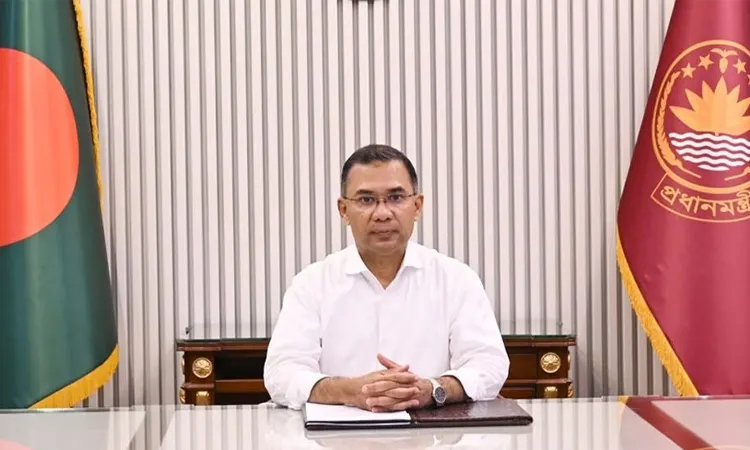
Prime Minister Tarique Rahman is heading to Kuala Lumpur for a two-day state visit at the invitation of Malaysian Prime Minister Anwar Ibrahim. Leaving Dhaka on a special Biman Bangladesh Airlines flight this Sunday afternoon (June 21), the trip marks Rahman’s first official foreign visit since the new government was formed in February.
The visit will focus heavily on reopening the Malaysian labor market for Bangladeshis and regularizing undocumented workers. Expanding bilateral trade, educational cooperation, and investment opportunities are also top agenda items. During the visit, the two leaders are scheduled to hold a private bilateral meeting.
Kuala Lumpur has been colorfully decorated with the national flags of both countries to welcome the Bangladeshi Prime Minister. Rahman will stay at the Shangri-La Hotel, where he is expected to meet with Malaysian BNP leaders, business people, students, and workers. He will also hold dedicated discussions with private investors.
The Prime Minister is accompanied by his wife, Dr. Zubaida Rahman, Foreign Minister Dr. Khalilur Rahman, Finance and Planning Advisor Rashed Al Mahmud Titumir, Education Advisor Mahdi Amin, and a high-level government delegation.
Malaysia BNP Vice President Shakhawat Hossain described the trip as a crucial diplomatic milestone that addresses the long-standing expectations of the Bangladeshi diaspora and elevates bilateral relations to new heights.
Expatriates are optimistic the visit will yield concrete steps toward a syndicate-free calling visa system and the legalization of undocumented workers. Transparent recruitment remains a primary demand for Bangladeshis seeking employment in Malaysia.
Nasir Uddin, an expatriate in Kuala Lumpur, said, "If both governments ensure direct, transparent recruitment, ordinary workers can come to Malaysia at a lower cost. We are expecting an effective decision during this visit." Another expatriate, Zakaria, echoed this sentiment: "Unless syndicate exploitation stops, a new calling visa won't benefit the people. Accountable recruitment is essential."
Currently, around 1.2 million Bangladeshis live in Malaysia. Many remain in an irregular status due to employer exploitation or job scarcity. "Legal status would allow us to earn more and send higher remittances home," noted one worker in Kuala Lumpur.
Bangladeshi students at Malaysian universities are also closely watching the visit, calling for expanded research cooperation, student exchange programs, and scholarships. Meanwhile, the business community anticipates a boost in trade, particularly through joint ventures in the technology, agriculture, manufacturing, and halal industries.
Diplomatic sources note that choosing Malaysia for his maiden overseas trip highlights the strategic importance Rahman places on regional labor and economic partnerships amidst shifting global politics.