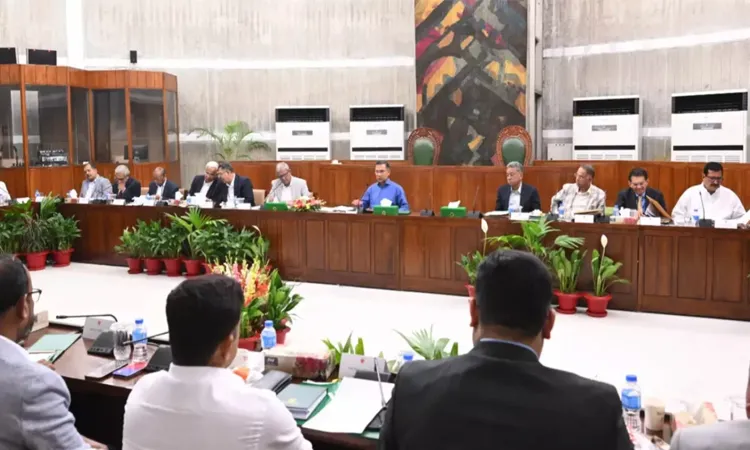
The government has reduced office hours and ordered early market closures to save energy amid a global fuel crisis linked to the Middle East conflict.
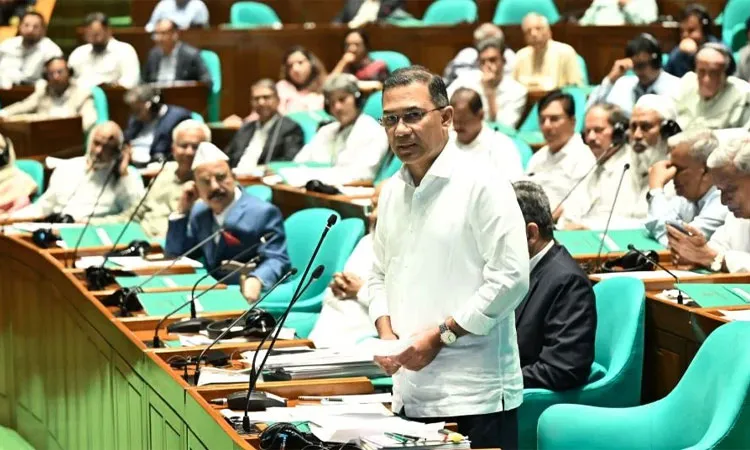
The decision was taken at a cabinet meeting on Thursday (2 April), chaired by Prime Minister Tarique Rahman at the Jatiya Sangsad Secretariat.
Cabinet Secretary Nasimul Ghani announced the measures at a press briefing.
Under the new rules, all government and private offices will operate from 9:00am to 4:00pm, starting from the next working day. Banks will conduct transactions until 3:00pm, while internal operations may continue until 4:00pm.
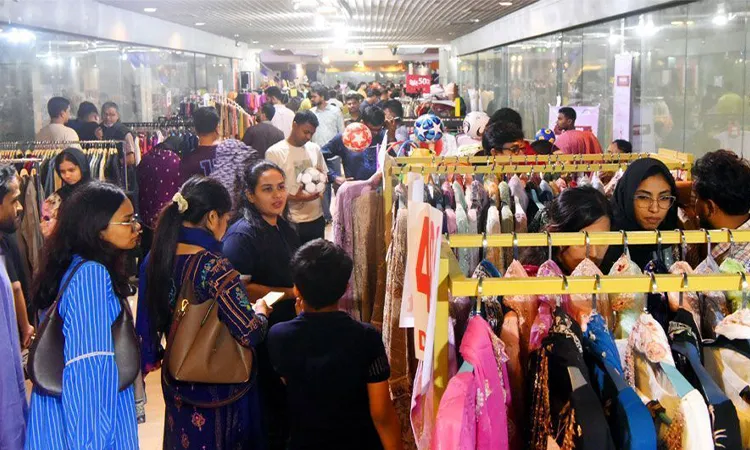
All markets, shops and shopping malls must close by 6:00pm. However, essential services such as kitchen markets, pharmacies and food outlets will remain open. The Ministry of Commerce will monitor compliance.
The government will also introduce separate guidelines for educational institutions. The Ministry of Education is expected to issue instructions from 5 April.
To reduce fuel use and traffic congestion, the government has allowed duty-free imports of electric buses for school transport. Import duty on new electric buses for commercial use has been reduced to 20%, while old buses will not be allowed.
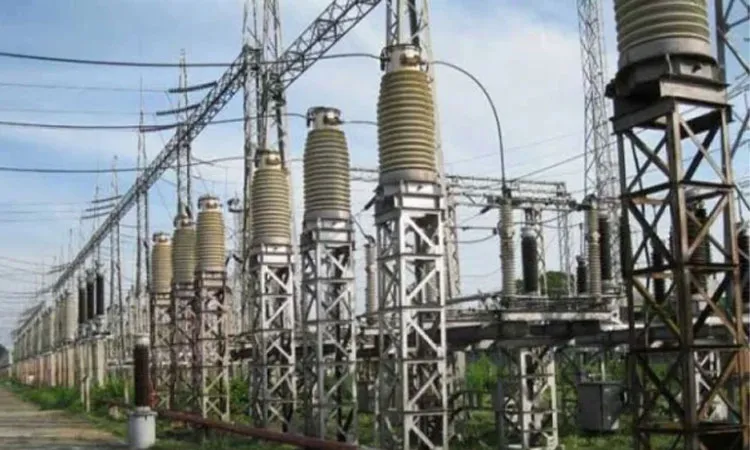
As part of austerity measures, government spending in the energy, power and gas sectors will be reduced by 30%. For the next three months, no new government vehicles or computer equipment will be purchased.
In addition, 50% of domestic training and most foreign training for government officials have been suspended. Spending on meetings, seminars and hospitality has also been cut by half. Decorative lighting at private events, including weddings and social programmes, has been banned during this period.
The cabinet also approved a draft amendment to the Public Examinations (Offences) Act, 1980, proposing stricter penalties for exam-related offences.
Officials said the measures were necessary due to instability in global oil supply caused by the Middle East conflict. Bangladesh is exploring alternative fuel import sources from Malaysia, Indonesia and Kazakhstan.
The government has assured that energy subsidies will continue to reduce public hardship and efforts are ongoing to manage the situation.