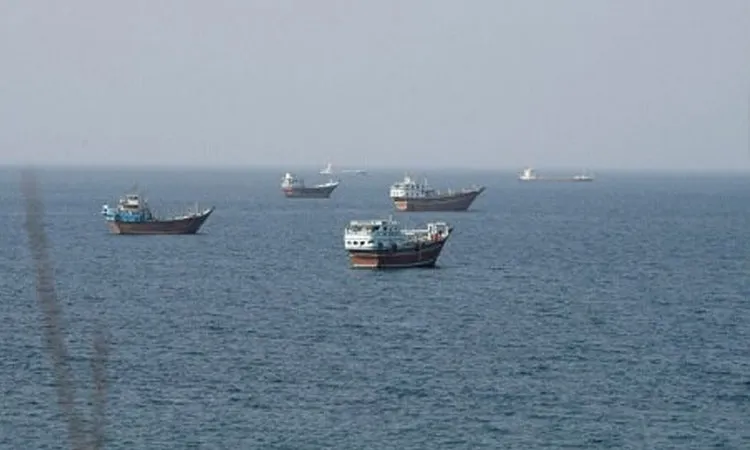
A planned meeting between Gulf foreign ministers and Iran on securing the Strait of Hormuz was called off Monday at Saudi Arabia's request, Iran's foreign ministry said as Tehran also denied any role in a recent attack on a Saudi oil pipeline.
Spokesman Esmail Baqaei confirmed reports that Riyadh had asked for the Salalah meeting to be postponed "for the time being." Oman's foreign minister Badr Albusaidi, said the decision was mutual also aimed at creating better conditions for an agreement and reaffirmed commitment to regional dialogue.
Baqaei rejected US claims linking Iran to the pipeline attack launched from Iraqi territory, accusing Washington of trying to sow division among regional states. He said Yemen's problems had "long-standing roots" unrelated to Tehran.
Despite the postponement, Baqaei said Iran and Oman had already finalised an understanding on managing shipping through Hormuz, developed over weeks of talks as the two coastal states. Details on how the agreement will be announced are still being worked out with Muscat, he added.
The talks follow the collapse of a June US-Iran memorandum meant to end the war that began in February. Baqaei accused Washington and Israel of fuelling insecurity in the waterway, citing a US strike near Hengam Island that killed one Iranian and wounded others including two Pakistani nationals.
He called on the US to end its "illegal and interventionist" actions, including a maritime blockade, warning Iran would keep responding if pressure continued. Baqaei also dismissed reports of nuclear activity at Kuh-e Kolang as "media hype" insisting Iran remained compliant with IAEA safeguards and described a reported seizure of a US submarine as lawful "war booty."
He welcomed China's role in regional stability but said Iran's dispute with Washington stemmed from a lack of political will not missing mediators.