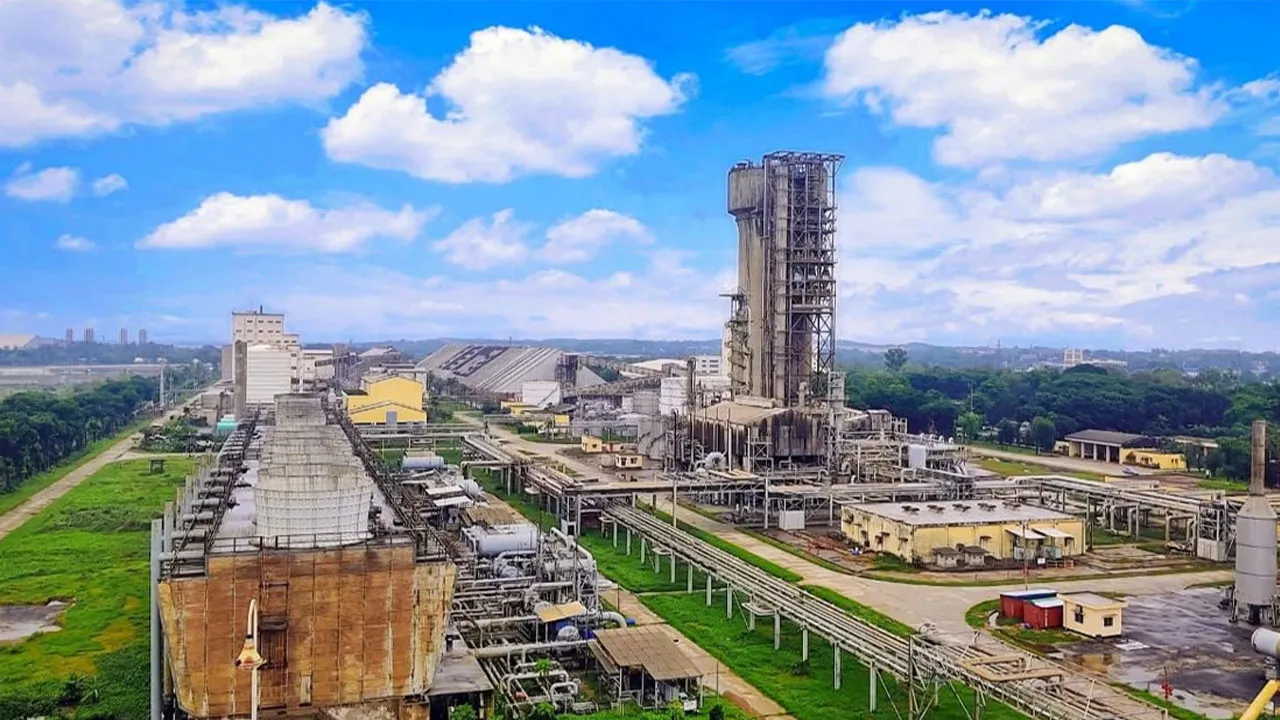
Chittagong Urea Fertilizer Limited (CUFL) is preparing to resume urea fertilizer production after receiving a regular supply of natural gas. Production of ammonia, a key raw material for urea fertilizer, has already resumed.
The factory is expected to restart urea production soon after ongoing mechanical problems are repaired.
According to sources, CUFL has been receiving gas according to its demand for about a week. The factory resumed ammonia production on September 9. However, urea production could not begin as planned on Saturday (September 12) because of mechanical problems in the urea plant following its prolonged shutdown.
Relevant personnel are working to repair the faults and prepare the plant for production.
A CUFL official said the two main raw materials for urea fertilizer are liquid ammonia and carbon dioxide. Although ammonia production resumed after the gas supply was restored, additional time was required to address mechanical problems before the urea plant could be restarted.
The official said prolonged shutdowns can damage machinery and cause rust and leaks in pipelines. Work is currently underway to resolve these mechanical issues, and urea production is expected to begin soon.
If conditions remain favourable, CUFL will be able to produce around 1,000 tonnes of urea per day, the official said.
An official of Karnaphuli Gas Distribution Company Limited said gas is supplied to fertilizer and power plants in accordance with government directives. CUFL is currently receiving more than 40 million cubic feet of gas per day, and the supply can be increased if necessary, he added.
CUFL is an enterprise under the Bangladesh Chemical Industries Corporation (BCIC), which operates under the Ministry of Industries. The factory was established at Rangadia in Anwara Upazila of Chattogram district, near the mouth of the Karnaphuli River, to produce nitrogen-rich prilled urea fertilizer from natural gas.
Construction of the CUFL plant began in October 1985. The factory started trial production on October 29, 1987, before entering commercial production in February 1988.
In recent years, CUFL's normal production has been disrupted by mechanical problems and gas shortages, among other issues. Despite these challenges, the factory continues to play an important role in Bangladesh's agricultural sector through its fertilizer production.