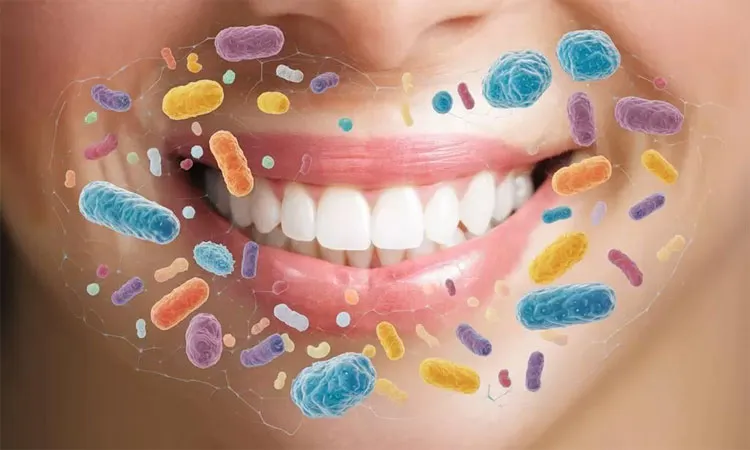
Brushing your teeth twice a day is essential for good oral health but poor technique can damage teeth and gums. Dental experts say several common habits can reduce the benefits of brushing and increase the risk of sensitivity with enamel wear and gum problems.
1.Rinsing immediately after brushing:
Rinsing with water can wash away fluoride from toothpaste. Spit out the excess toothpaste instead of immediately rinsing.
2. Brushing too hard:
Aggressive brushing and hard-bristled brushes can contribute to enamel wear, sensitivity and receding gums. Use a soft-bristled brush and gentle pressure.
3. Using mouthwash immediately:
Mouthwash used straight after brushing may reduce the fluoride left on the teeth. If needed the use fluoride mouthwash at another time.

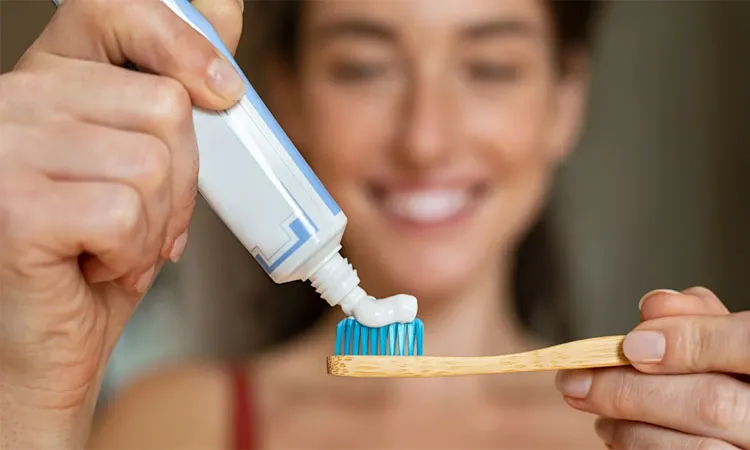
4. Using too much toothpaste:
A pea-sized amount of fluoride toothpaste is generally sufficient. More toothpaste does not mean cleaner teeth.
5. Brushing immediately after acidic foods or drinks:
Acid can temporarily soften enamel. After coffee the citrus drinks or other acidic foods wait before brushing. Rinsing with water can help remove acids.
6. Brushing for too little time:
Aim for about two minutes of thorough brushing rather than a short, forceful scrub.
7. Ignoring the back teeth:
Plaque can build up around back molars and fillings. Divide the mouth into four sections and spend about 30 seconds on each.
8. Missing the gum-line:
Angle the brush toward the gum-line and use gentle circular movements to clean this important area.
9. Treating brushing as the entire routine:
Brushing cannot clean every surface. Daily flossing or inter dental cleaning and gentle tongue cleaning can provide additional oral-care benefits.
For whitening the experts also caution against abrasive products such as charcoal toothpaste and baking soda which may damage enamel. The key is simple brush gently also use fluoride toothpaste and maintain a complete oral-care routine.