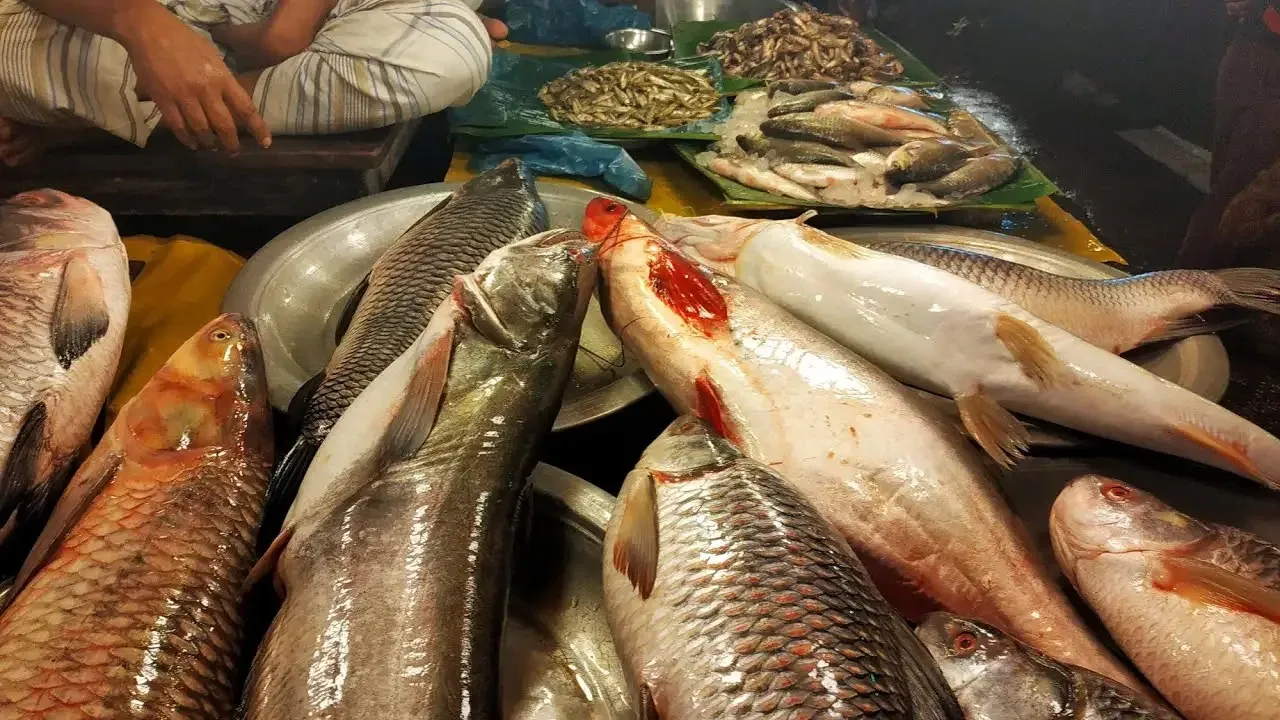
Fish prices in Bangladesh have climbed beyond the purchasing power of many ordinary consumers, with popular varieties including hilsa, shrimp, pabda, rohu, catla, pangasius and tilapia selling at higher rates. Some shoppers say they may soon have to drop fish from their regular meals.
Several consumers visiting markets complained that they could no longer find fish worth buying within a budget of Tk700 to Tk800.
Wholesalers at the Jatrabari fish market, a major supply point for markets across Dhaka, attributed the higher prices to supply shortages, transportation expenses and other costs.
Sellers said diesel expenses for fishing boats and trucks transporting the catch had pushed up prices. They also pointed to the suspension of fish imports from other countries as another factor affecting supply.
Prices rise further as fish move from wholesale markets to retail outlets. The difference can range from Tk50 to Tk200 per kilogram, while rates also vary across different parts of the capital. Retailers said limited supply was keeping prices high.
They added that prices of river-caught fish fluctuate more significantly, while those of farmed fish tend to remain relatively stable. Greater supply, they said, generally helps bring prices down.
Industry stakeholders said rising production costs had added to the pressure on fish farmers. In particular, unusually high prices of fish feed have increased cultivation expenses. Meanwhile, the decline in open water bodies has contributed to a gradual reduction in the availability of native fish species.
Mohammad Motaleb Hossain, director of inland fisheries at the Department of Fisheries, said there was currently no fish shortage in Bangladesh, although prices could remain somewhat high.
“The price of farmed fish depends on the cost of its inputs. Many ingredients used to produce fish feed have to be imported from abroad. These ingredients are also expensive for feed mills,” he said.
He also cited the shrinking number of wetlands and pollution as factors contributing to lower fish production.
The Consumers Association of Bangladesh (CAB), however, believes excessive profit-seeking by traders at different stages of the supply chain is keeping fish prices high.
CAB Vice-President S M Nazer Hossain alleged that traders were using advance payments to secure fish supplies and manipulating the market.
“Traders are buying fish in advance by paying money upfront. There is a kind of manipulation behind this. Retailers and wholesalers do not maintain receipts for fish transactions. There are no records of the prices at which they buy or sell fish. As a result, they make whatever profit they want,” he said.
Despite concerns over affordability, fish production in Bangladesh has increased in recent years. According to government statistics, the country produced more than 5.1 million metric tonnes of fish in the 2024–25 fiscal year.