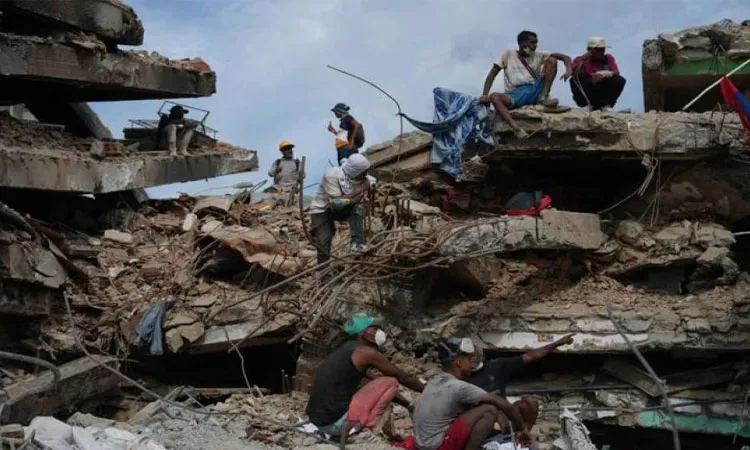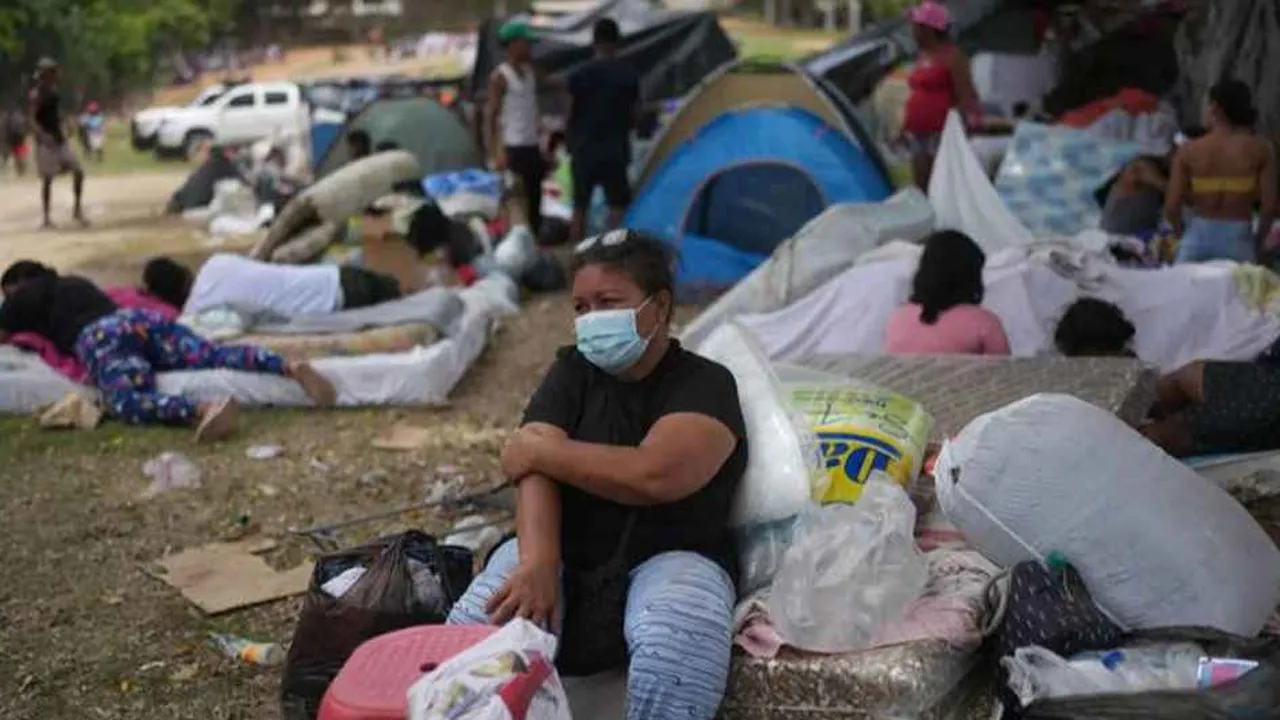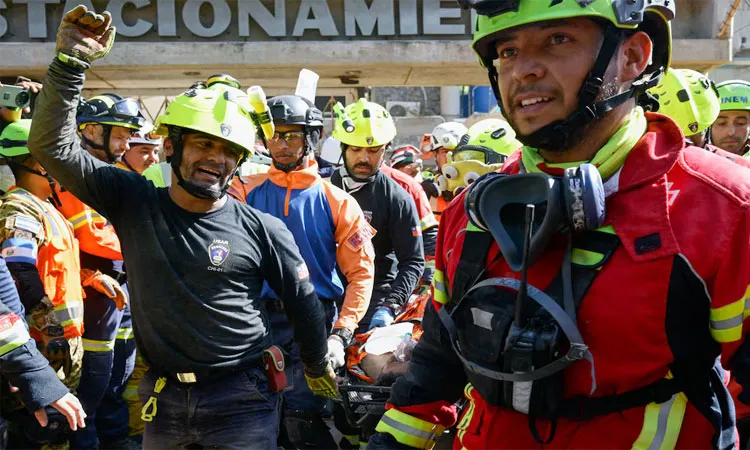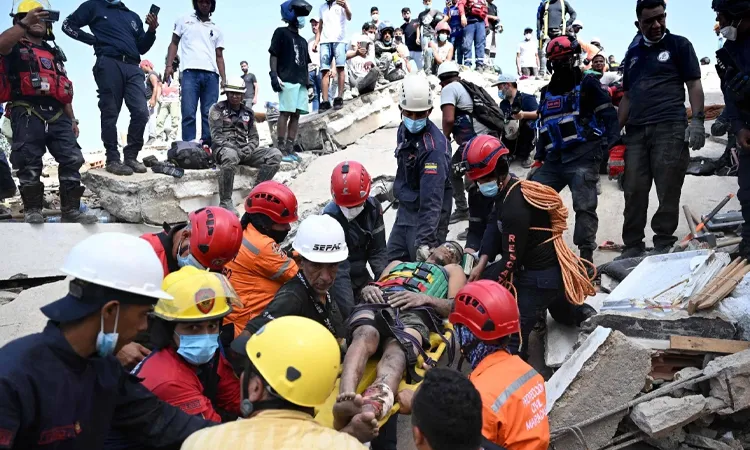
Rescue teams and volunteers continued searching for survivors across Venezuela on Friday after two powerful earthquakes killed more than 900 people and left hundreds trapped under collapsed buildings.
According to government figures, at least 920 people have died, 3,360 have been injured, and 172 people remain trapped. A public website has also listed more than 50,000 people as missing, although many reports remain unverified.
The magnitude 7.2 and 7.5 earthquakes struck parts of Caracas and nearby areas on Wednesday evening, causing widespread destruction. Emergency responders and residents have been digging through debris as international rescue teams and humanitarian aid gradually arrive.
The town of Morón, near the epicenter, remained without electricity, while roads, bridges, and buildings suffered extensive damage. In La Guaira state, authorities said at least 100 buildings, including several high-rise apartment blocks, collapsed.
Interim President Delcy Rodríguez announced temporary traffic restrictions into La Guaira to allow rescue and relief operations to continue without disruption.
Many residents criticized the slow arrival of heavy rescue equipment, saying local communities had carried out much of the initial rescue work by hand.
"It’s the community that has managed to get people out alive," said Jennifer Palacios, whose six-year-old son and five relatives remain missing beneath the rubble.
Some incidents of looting were reported in damaged commercial areas, while police and security forces focused on emergency operations.
The United Nations estimates direct economic losses at around $6.7 billion. Insurance experts expect insured losses to cover only a small portion of the overall damage.
International rescue teams from several countries, including the Dominican Republic, El Salvador, Germany, the Netherlands, and Italy, have joined search operations. The United States also announced $150 million in humanitarian assistance, eased some sanctions to support relief efforts, and deployed military assets to assist rescue missions.
In one rescue operation, Salvadoran teams used drones, heat scanners, and search dogs to locate survivors trapped inside collapsed apartment buildings. Officials said there were reports that some trapped victims were still responding to phone calls.
Despite the destruction, Venezuela's Oil Ministry said crude oil production remains at about 1.2 million barrels per day, although power outages and port delays may temporarily affect exports.
The earthquakes struck a country already struggling with years of economic hardship and weak infrastructure, increasing concerns about the humanitarian impact. The U.S. Geological Survey (USGS) estimates the final death toll could exceed 10,000, while the United Nations says nearly 7 million people may be affected by the disaster.