- National
- Bangladesh
- Business
- International
- Sports
- Entertainment
- Politics
- Technology
- Life Style
- Religion
- Opinion
- FIFA World Cup 2026
Monday, 10 August 2026

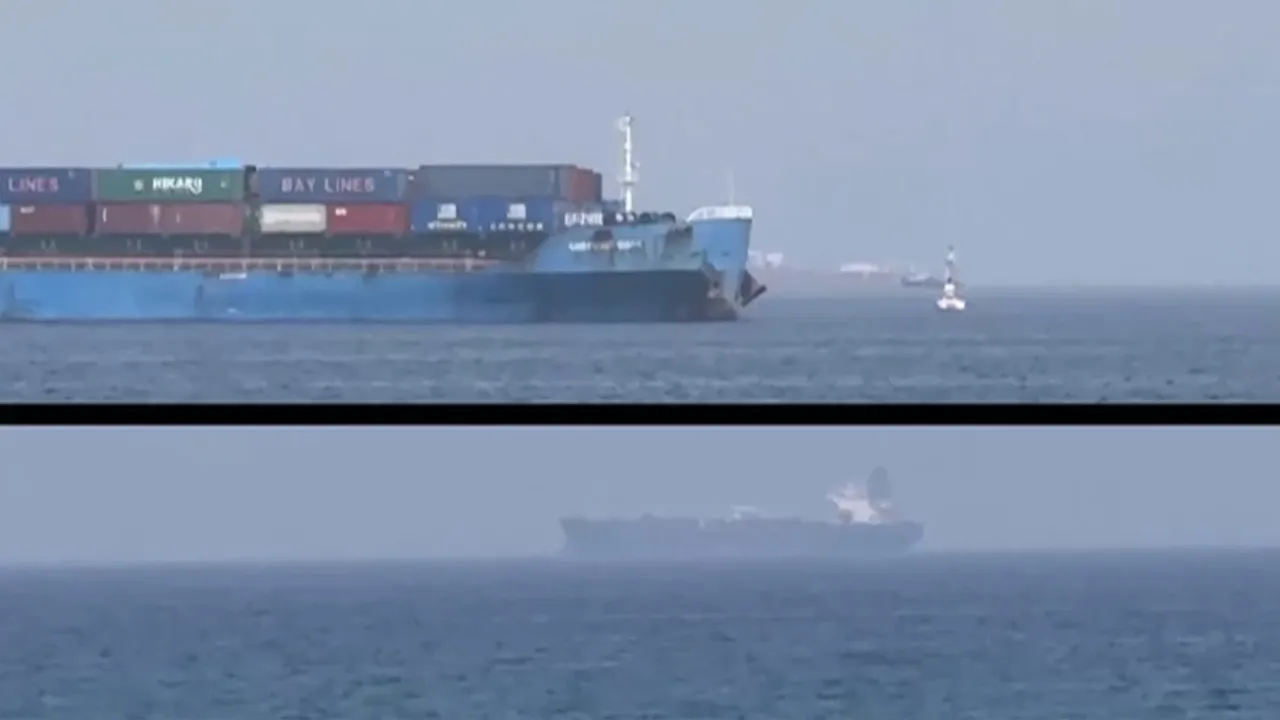
Iran has said it will not reopen the Strait of Hormuz until the United States meets a number of its demands, adding another obstacle to efforts to ease the ongoing regional conflict.
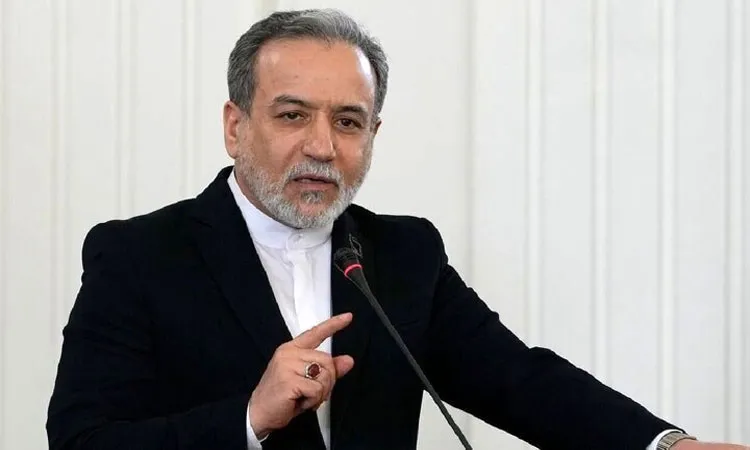
Iranian Foreign Ministry spokesperson Esmail Baghaei said Monday that Washington must stop what Tehran describes as its “illegal and destructive actions” before the strategically important waterway can reopen.
Iran is demanding that the United States:
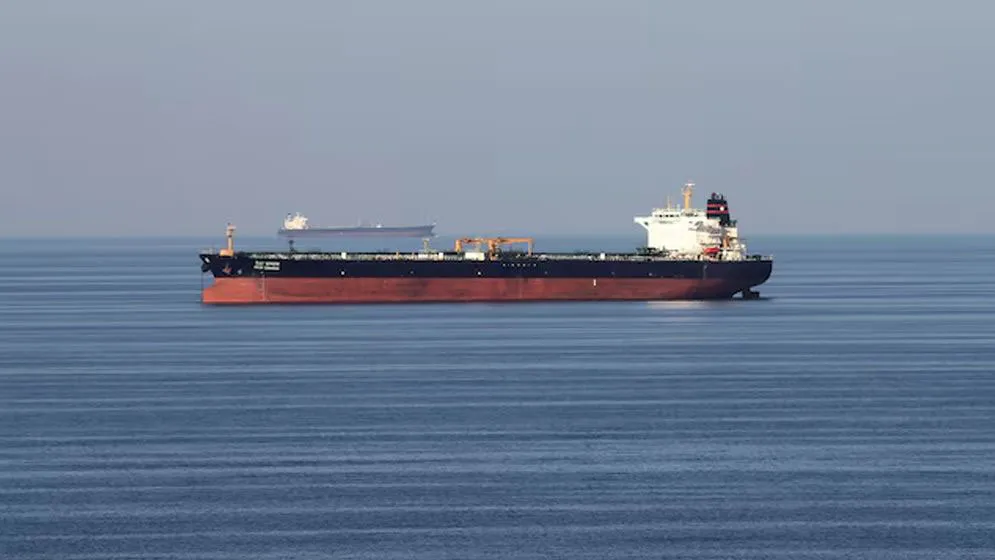
The Strait of Hormuz, through which roughly one-fifth of the world's traded oil normally passes, has become one of the biggest economic consequences of the conflict. Its continued closure has kept oil supplies, energy prices and global shipping at the center of international attention.
Iran is also holding separate discussions with Oman over the possibility of allowing ships to transit the strait through a temporary corridor. However, Tehran has made clear that a full reopening would depend on progress in negotiations with Washington.
Israel Declares Christian-Majority West Bank Town a Closed Military Zone
Meanwhile, Israel's military has declared Taybeh, a Christian-majority town in the occupied West Bank, a closed military zone.
The move is intended to prevent Israeli settlers and other non-residents from entering the town following repeated reports of arson, vandalism and attacks on private and village property.
Palestinian residents and journalists will generally be allowed to enter, although the Israeli military said it could restrict access if it considers someone a security threat.
Israeli forces said they would detain suspects and disperse gatherings in an effort to prevent further violence.
Taybeh is surrounded by Israeli settlements and includes areas classified as Area B, where Israel maintains security responsibilities. Local residents have accused Israeli authorities of responding too slowly to attacks by extremist settlers.
According to figures cited from the Palestinian Health Ministry in Ramallah, at least 87 Palestinians have been killed by Israeli settlers or soldiers in 2026.
The developments in Hormuz and the West Bank come as tensions remain high across the Middle East.
The Strait of Hormuz remains particularly important to the global economy because any prolonged disruption could affect oil supplies, shipping costs and fuel prices worldwide. The uncertainty is also becoming an increasingly important political issue in the United States ahead of the November midterm elections.
At the same time, violence involving the Houthis in the Red Sea and continuing tensions between Israel and Palestinians are adding to concerns about the wider stability of the region.