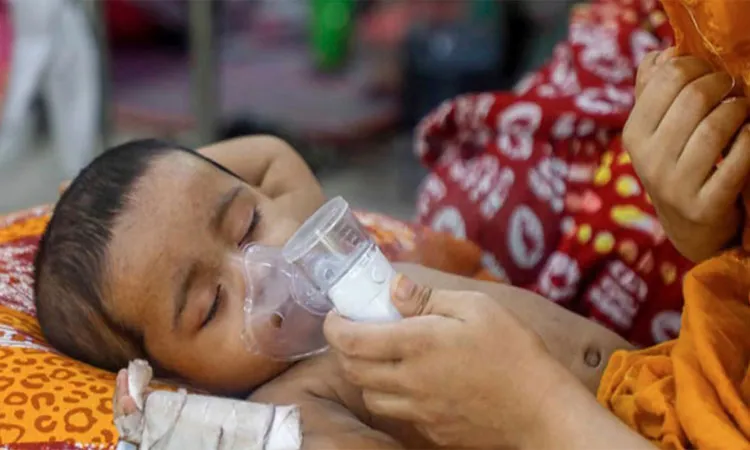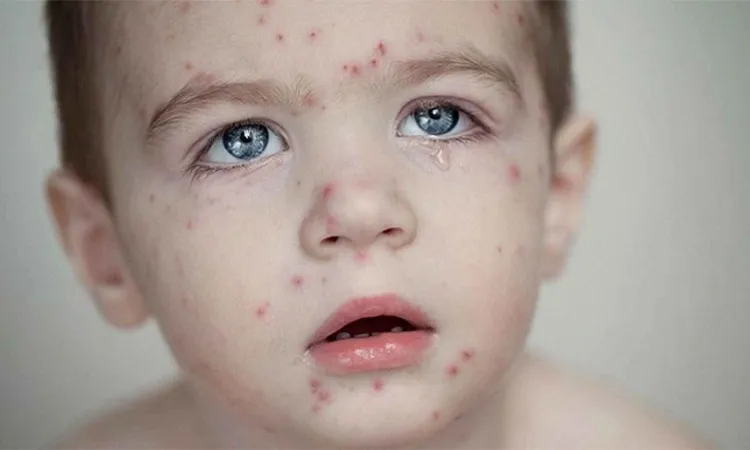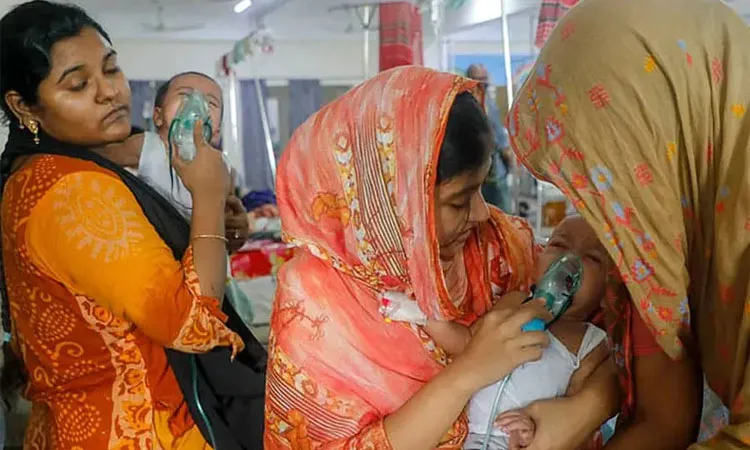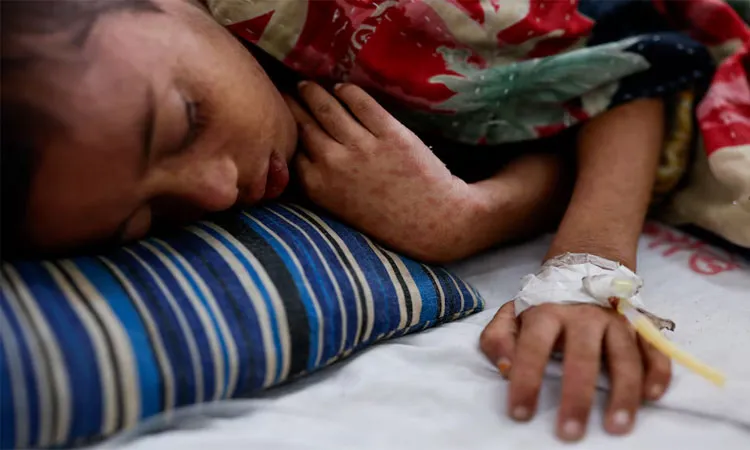
Bangladesh is currently struggling to contain the world’s worst measles outbreak, reporting more than 202,000 suspected cases and 1,147 deaths since mid-March according to World Health Organization (WHO) data. Approximately 94 percent of the casualties are children under five years old.
Health experts warn that the crisis serves as a stark global caution on the dangers of falling vaccination coverage. Once celebrated as an immunisation success story achieving 96 percent first-dose coverage in 2024 the country saw routine health drives falter following political transition and strike actions in late 2024 and 2025. National first-dose coverage dropped to 90 percent with falling short of the 95 percent threshold required to maintain herd immunity.

The northeast Sylhet region has emerged as one of the hardest-hit areas with overwhelmed local hospitals and 180 child fatalities reported. Local families report that emergency health workers frequently failed to reach remote villages before fatalities occurred.
A review of health records and interviews with experts reveals that data discrepancies and rushed preparation severely hindered initial containment efforts. A campaign launched in April vaccinated nearly 20 million children but a subsequent health drive in June uncovered a listing gap of roughly four million target children who were missed. Internal meeting records indicate that officials conducted only one round of readiness checks prior to launching emergency drives instead of the standard four.
Additional operational challenges include an estimated 33 percent vacancy rate in health worker positions roughly 40 percent unregistered births nationwide and an ongoing concurrent dengue epidemic. In response to rising infection rates which averaged nearly 1,200 daily new cases in September the government launched a follow-up drive targeting 3.4 million previously unreached children.
Epidemiologists emphasize that restoring routine immunisation infrastructure and strengthening rural outreach remain essential to controlling the outbreak and protecting vulnerable populations.