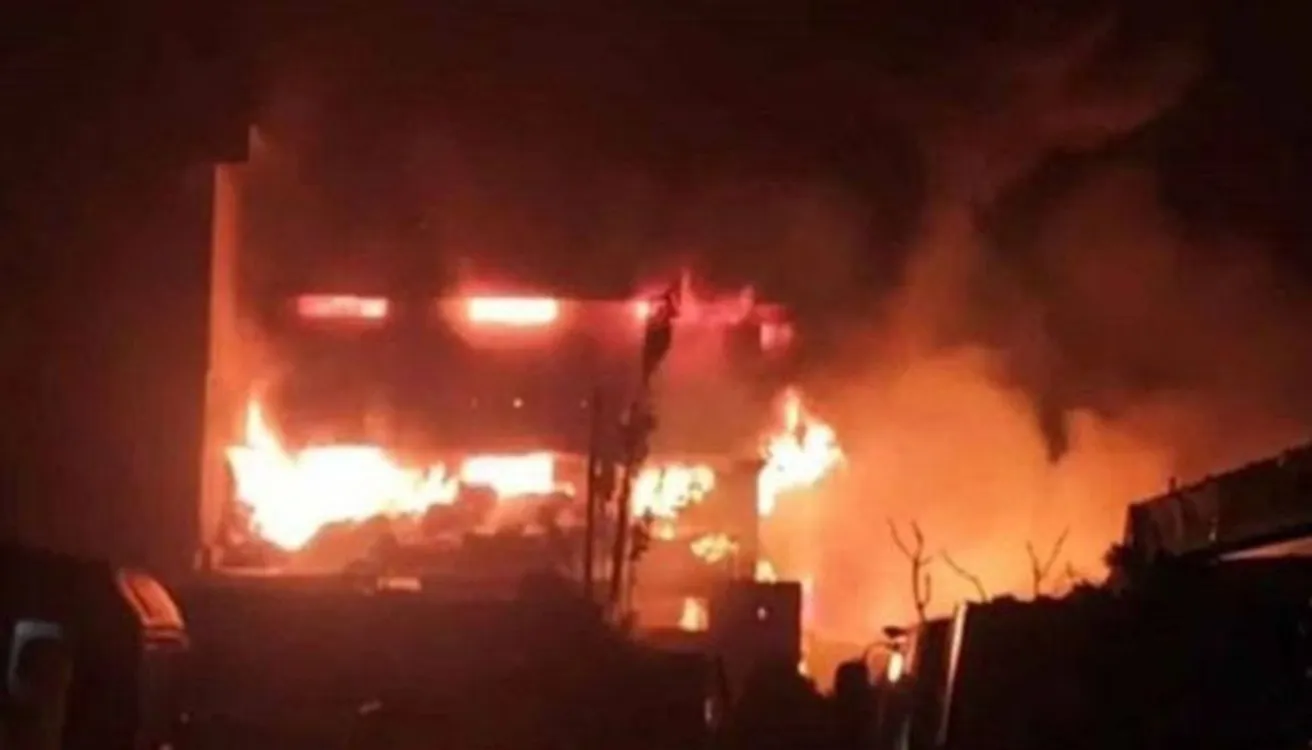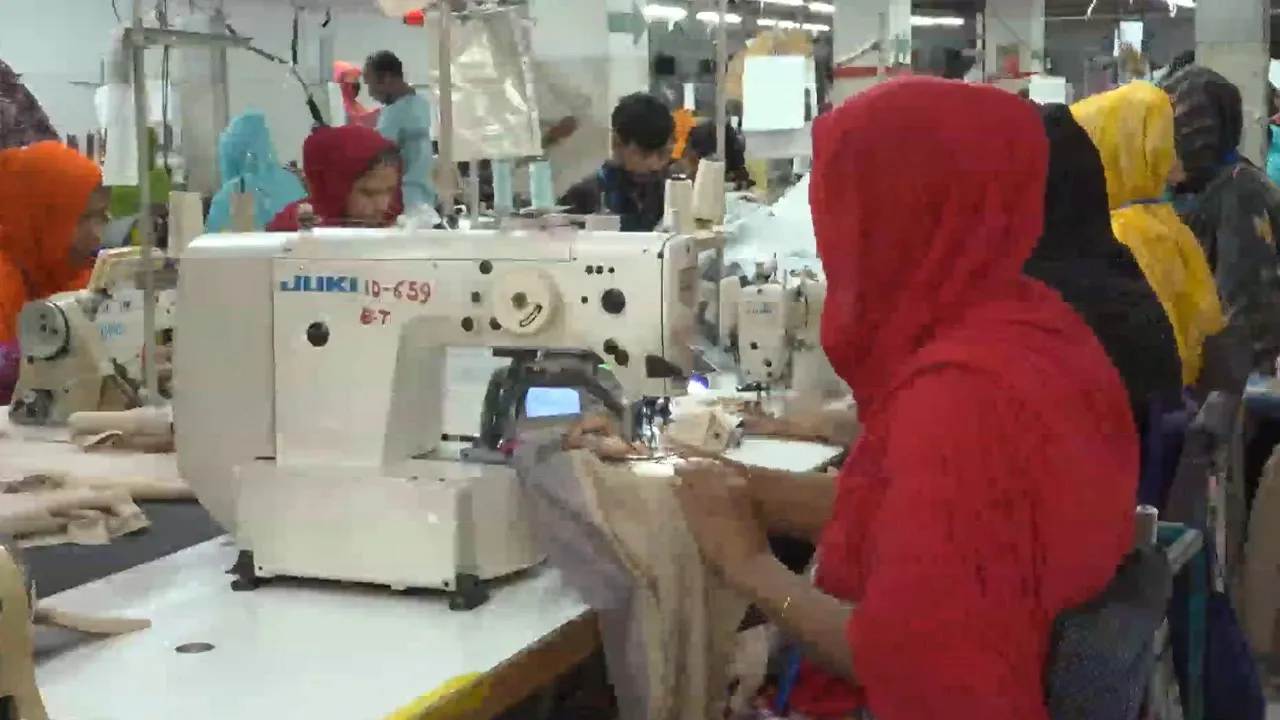
Bangladesh’s ready-made garment (RMG) sector, already struggling with multiple challenges, is now facing an increasingly severe gas crisis that is disrupting production and threatening employment.
The industry has been grappling with banking difficulties, including restrictions on opening bank-to-bank letters of credit (LCs), for the past three years. Rising non-performing loans have also weakened banks’ capacity to provide credit to businesses.
Amid these challenges, the gas supply crisis has intensified since July, dealing another major blow to garment manufacturers. Factory owners say they have even attempted to operate their plants using compressed natural gas (CNG), but restrictions imposed by Titas Gas are preventing them from doing so.
Mohammad Hatim, president of the Bangladesh Knitwear Manufacturers and Exporters Association (BKMEA), said, “Titas has issued a circular instructing filling stations not to supply gas. I believe this was not the right decision.”
He said factories have been shutting down for the past three years due to a combination of factors, including difficulties in banking services, high interest rates and the energy crisis.
Business leaders say gas shortages have reduced industrial production by nearly half in some cases. As shipment delays increase, manufacturers are being forced to send goods by air, significantly raising transportation costs.
Mohammad Shihab Uddoja Chowdhury, vice-president of the Bangladesh Garment Manufacturers and Exporters Association (BGMEA), said the gas crisis has also sent a negative signal to international buyers about Bangladesh’s energy security.
“The message that Bangladesh’s energy security is being disrupted has reached buyers. As a result, the volume of orders coming to us is lower than expected,” he said.
Gas supply has declined from both domestic and imported sources. Economists warn that unless gas allocation to the industrial sector is increased, the crisis will continue and could have a serious impact on employment.
Dr Khondaker Golam Moazzem, chairman of the Knowledge Hub Institute, said reducing system losses could create some additional gas supply for legitimate industrial consumers. He noted that controlling illegal gas connections could also help ease pressure on the system.
At the same time, uncertainty surrounding the economy is making banks more cautious about lending to businesses, he said.
Experts say that under the current circumstances, retaining existing jobs should be a higher priority than creating new employment opportunities.