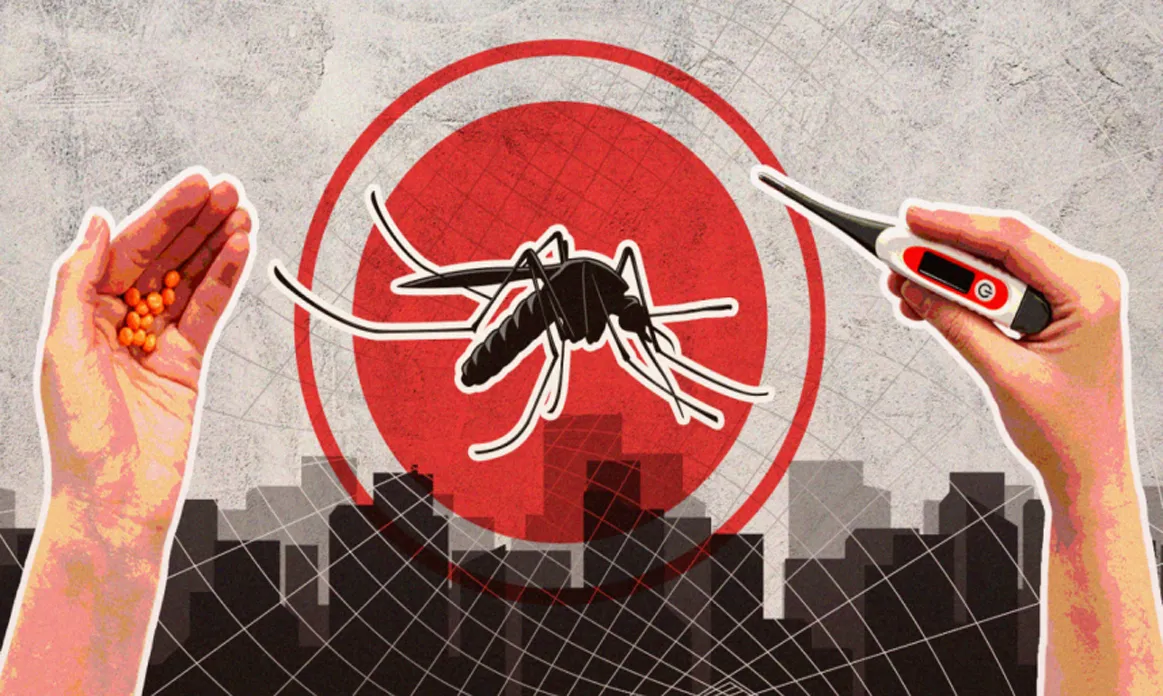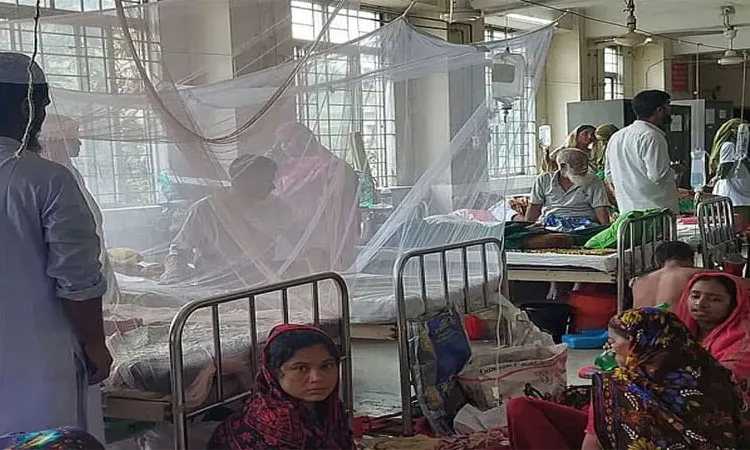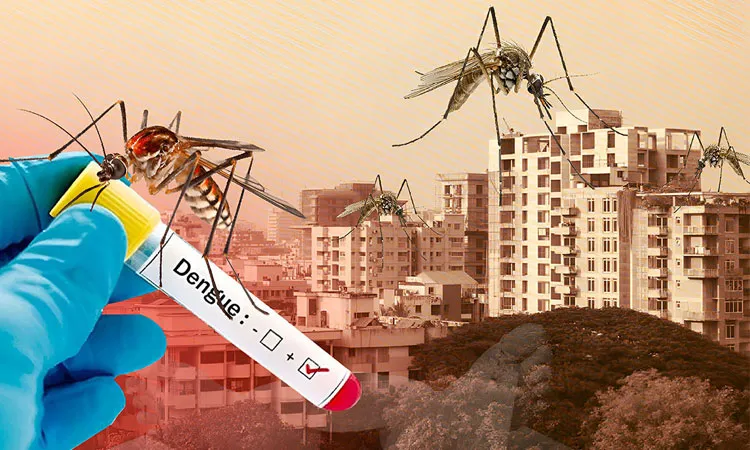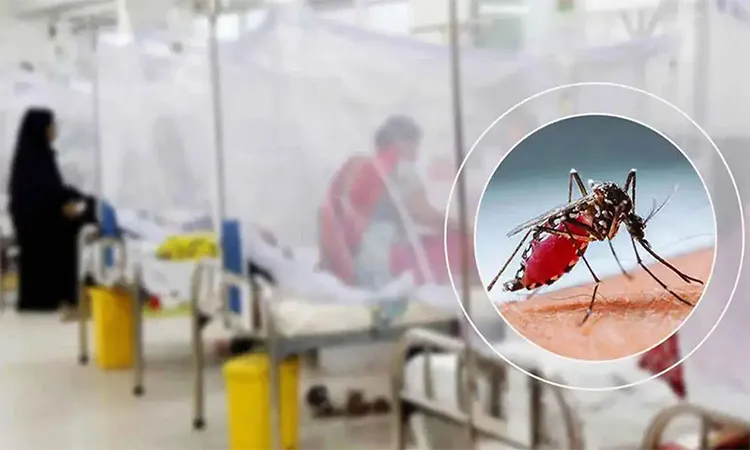
Bangladesh's dengue outbreak is worsening with 42,590 people hospitalised and 117 deaths recorded so far this year. In the last 24 hours alone, four patients died and 1,558 were admitted the highest single-day figure this year, according to the health ministry.
The mosquito-borne disease causes fever, severe headaches and in some cases are fatal complications. Its rapid spread has revived memories of 2023, Bangladesh's deadliest dengue year and adds pressure to a health system already battling a measles outbreak that has killed nearly 1,000 children in 2026.
Experts warn September could surpass August, currently the year's worst month. Entomologist Professor Kabirul Bashar of Jahangirnagar University said hospitalisations may exceed 30,000 this month if trends continue with weather favouring transmission into October. "The peak has not been reached yet" he said.
The crisis has personal costs. Zahid Hasan 32, struggled to find a hospital bed for his four-year-old son visiting three government facilities before securing treatment privately. His son received seven bags of blood and plasma before recovering slowly.
Doctors warn that patients can deteriorate sharply after fever subsides. Physician Professor Tarek Alam urged the public not to ignore warning signs like abdominal pain, dizziness and lethargy.
Bashar noted Aedes mosquitoes have spread beyond major cities, with cases now reported in all 64 districts though Dhaka remains worst-affected.
Prime Minister Tarique Rahman has ordered nationwide cleanup and awareness drives also urging citizens to eliminate stagnant water. Bashar cautioned that fogging alone won't help without targeting actual breeding sites also calling for more evidence-based control strategies.