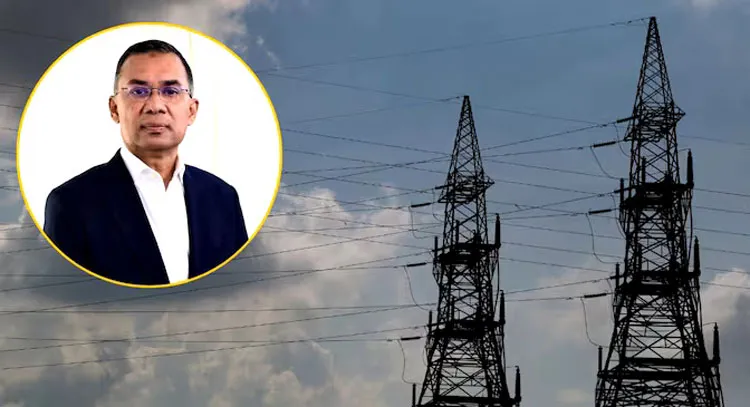
Bangladesh’s evolving energy strategy is highlighting a striking policy contrast. Just days after raising objections to India's proposed ₹0.01 per-unit settlement charge for cross-border power trade which New Delhi subsequently halved to ₹0.005 the Bangladesh government is preparing to pay a Chinese investor Tk 25 per unit for waste-generated electricity in Dhaka.
The contrast comes at a sensitive time for the country, which is currently grappling with gas shortages, reduced LNG supply, and widespread prolonged blackouts that have triggered public protests across several regions.
SNA Charges vs. Waste-to-Energy Tariffs The financial dynamics of the two decisions stem from fundamentally different services: Indian Supply & Settlement Nodal Agency (SNA) Charge: India supplies up to 2,656 MW of electricity to Bangladesh. In FY 2025–26, Bangladesh paid an average of roughly Tk 11 per unit for Indian power imports. The proposed SNA charge of ₹0.005 (reduced from ₹0.01) is not an energy tariff, but an operational fee covering cross-border grid operations, scheduling, and energy accounting.
Chinese Waste-to-Energy Project: Located at Dhaka's Aminbazar landfill and managed in partnership with Dhaka North City Corporation, the 42 MW Chinese-funded project carries a proposed tariff of Tk 25 per unit about 127% higher than recent Indian import rates and more than double the FY25 overall imported electricity average of Tk 11.72.
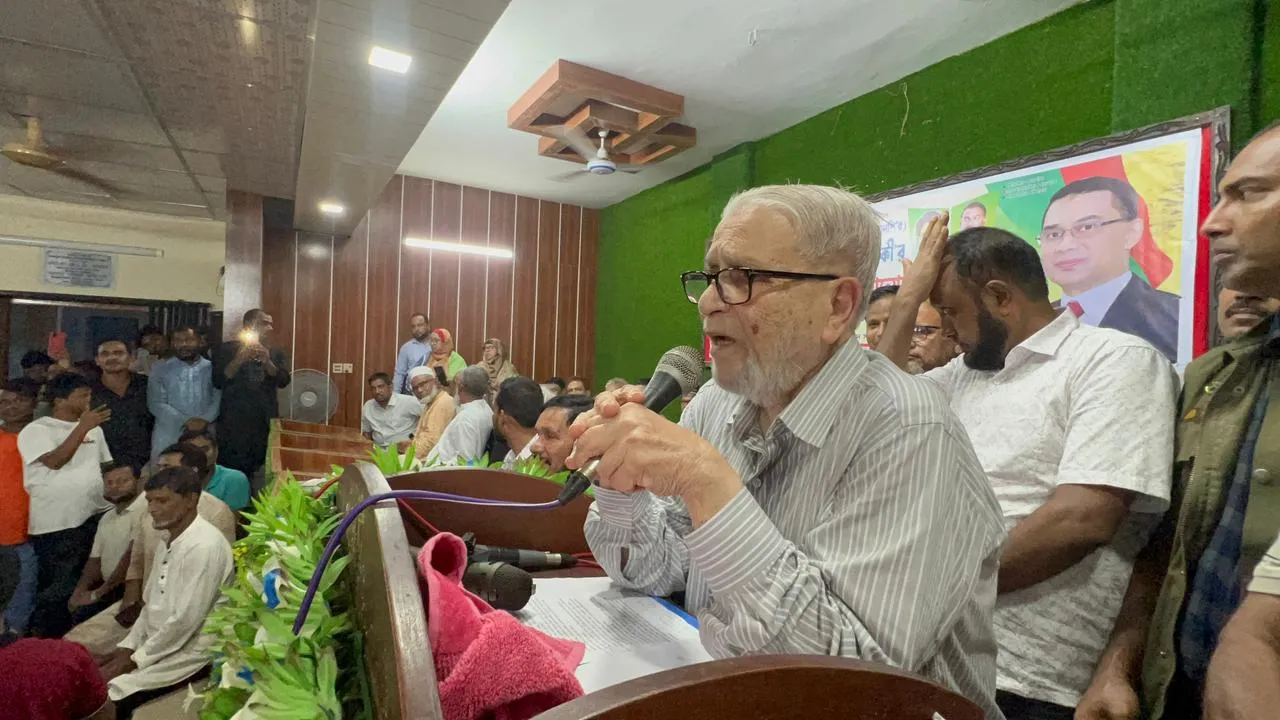
Why the Tk 25 Rate? Addressing concerns over the high cost, State Minister for Local Government, Rural Development and Cooperatives, Mir Shahe Alam, noted that the project extends far beyond simple electricity generation.
"Garbage and waste are a major burden for our nation and Dhaka city," Shahe Alam reported, explaining that the high tariff accounts for broader environmental cleanup, carbon credits, organic fertilizer production, and monthly landfill rental payments to the city corporation. The private Chinese investor bears the full initial capital investment, with power generation expected to hit the national grid by mid-2028. Grid Scale and Strategic Outlook
Despite the contrast in unit pricing, officials emphasize that the 42 MW Aminbazar facility is designed primarily for municipal waste management, not as a replacement for large-scale cross-border power imports. For scale, electricity imports from India accounted for 15.8% (Tk 19,225 crore) of Bangladesh’s total Tk 1,21,420 crore power purchase bill in FY25.
However, the initiative may mark the start of a broader waste-to-energy push. The government is already in discussions with Chinese firm PowerChina for a similar waste management project under the Dhaka South City Corporation.
As Bangladesh navigates its immediate fuel deficits and public dissatisfaction over load-shedding, the Tk 25 tariff reflects a high-cost bet on resolving urban environmental liabilities through dual-purpose energy infrastructure.