The UK Met Office has warned that an El Niño developing in the Pacific Ocean could become one of the strongest on record. The powerful climate phenomenon could push global temperatures even higher and increase the risk of extreme weather.
Scientists believe 2027 could become the hottest year ever recorded, potentially surpassing the current record set in 2024.
According to the Met Office forecast, when El Niño reaches its peak toward the end of this year, sea-surface temperatures in a key region of the Pacific could rise more than 3°C above normal. Such a level would be unprecedented in records dating back to 1950.
Currently, sea-surface temperatures in the region are already more than 2°C above average. In some areas, water around 100 metres below the surface is reportedly as much as 8°C warmer than normal. This large pool of warm water could fuel an exceptionally strong El Niño.
Professor Adam Scaife, head of long-range prediction at the UK Met Office, said he had never previously seen such strong signals of an El Niño.
What is El Niño?
El Niño is a natural climate phenomenon that generally occurs every two to seven years and lasts around a year. It develops when the trade winds across the Pacific weaken or reverse, allowing warm ocean water to move eastward.
As a result, large amounts of heat are released from the ocean into the atmosphere, temporarily increasing global temperatures and altering rainfall patterns around the world.
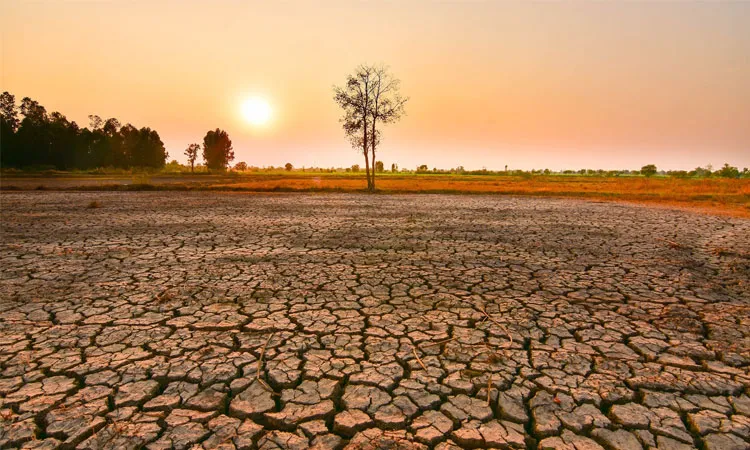
El Niño can bring drought and wildfires to parts of the Pacific region, Australia and the Americas, while increasing the risk of heavy rainfall and flooding in areas such as Peru, Ecuador and the southern United States.
Threat to food security
Previous strong El Niño events have disrupted the production of crops such as coffee, rice and cocoa, contributing to higher food prices and significant economic losses.
The UN Food and Agriculture Organization has also warned that the latest El Niño could put millions of people in vulnerable countries at serious risk of food insecurity.
Is climate change making El Niño stronger?
The World Meteorological Organization says there is currently no conclusive evidence that climate change is making El Niño events more frequent or stronger.
However, El Niño is now occurring against a backdrop of a much warmer planet. As a result, its effects can become more extreme.
Could 2027 be the hottest year on record?
Human activities, particularly the burning of fossil fuels, have already increased global average temperatures by roughly 1.4°C compared with the late 19th century.
During El Niño, additional heat is released from the ocean into the atmosphere, raising global temperatures temporarily. UK climate scientist Dr Nick Dunstone said the strongest global temperature effects are often seen in the calendar year following El Niño's peak.
Therefore, scientists believe 2027 could potentially surpass 2024 as the hottest year on record.
However, this remains a forecast rather than a certainty. The eventual strength of El Niño and changes in Pacific Ocean temperatures over the coming months will determine how severe its global impact becomes.