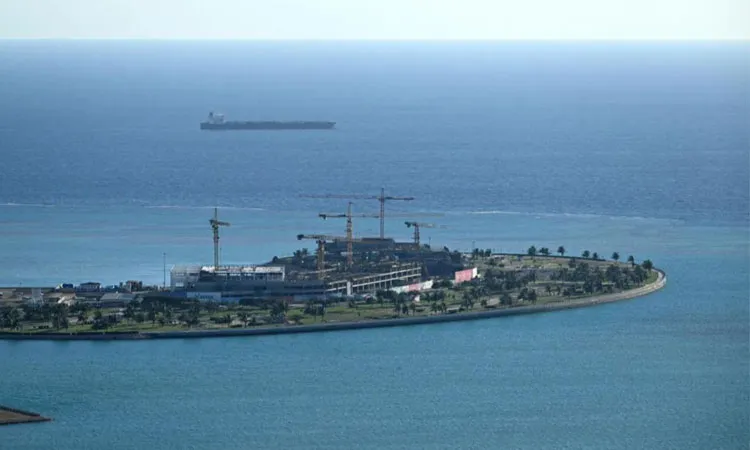
Saudi Arabia has partially restarted its East-West Pipeline, paving the way for crude oil exports to resume from the Red Sea port of Yanbu as early as Tuesday. According to sources, the system is currently pumping at a low rate.
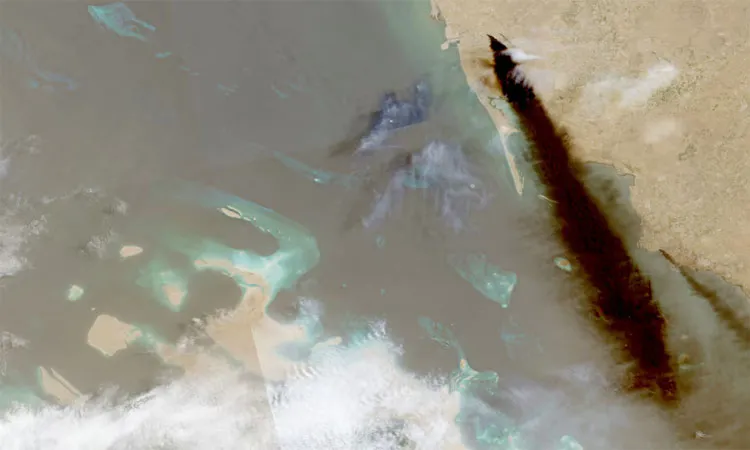
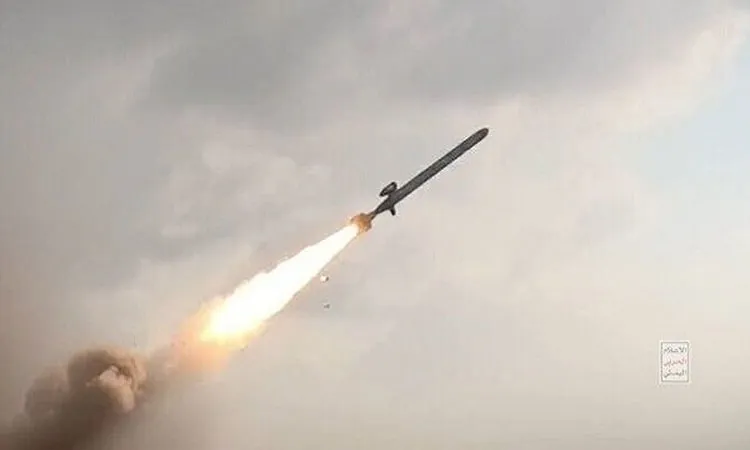
The 1,200-kilometer pipeline, operated by state energy firm Saudi Aramco, was forced to shut down on September 13 following drone attacks from Iraqi territory. The strikes damaged three pumping stations with halting loadings at Yanbu and disrupting a vital alternative route for global oil markets.
The nine-day shutdown temporarily squeezed European markets. Saudi Aramco had to reduce October supplies to European buyers with causing physical crude prices in Europe to surge past $130 per barrel as refiners scrambled for alternative sources.
News of the pipeline’s restart immediately eased global energy market anxieties. Brent crude futures dropped more than 2% to around $98 per barrel while the U.S. West Texas Intermediate (WTI) fell to approximately $90 per barrel.
Also known as Petroline, the East-West Pipeline has a capacity of up to 7 million barrels per day. It holds immense strategic value also allowing Saudi Arabia to move crude to the Red Sea while bypassing the Strait of Hormuz.
Relying on this alternative route has become increasingly crucial as regional conflicts have sharply reduced shipping traffic through the Strait, a critical chokepoint that normally handles nearly 20% of the world’s oil and liquefied natural gas trade.