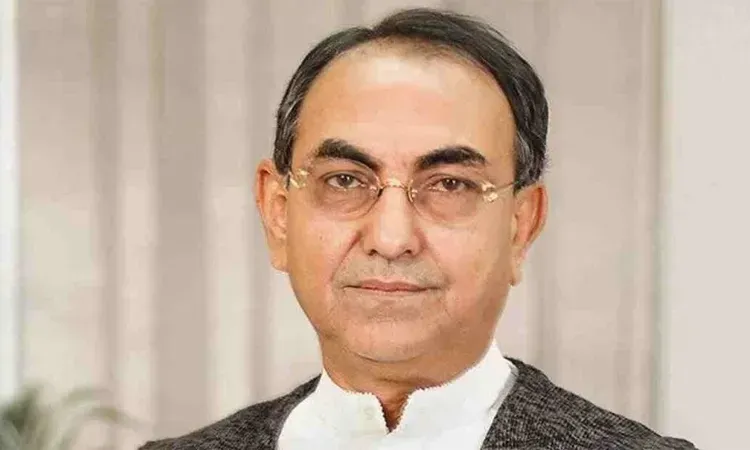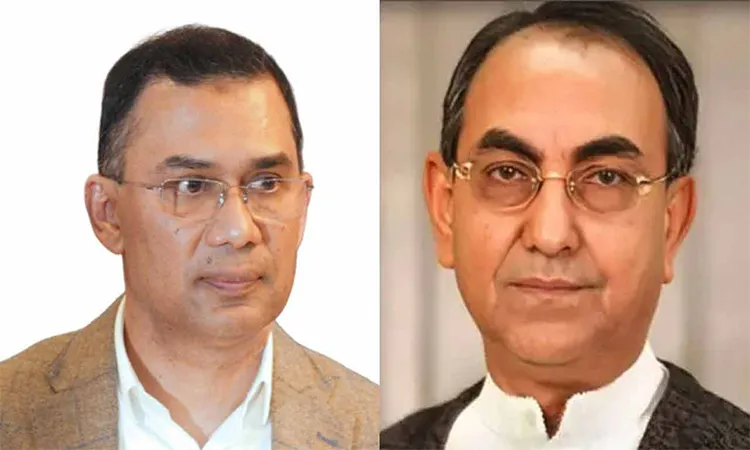
BNP Standing Committee member and Prime Minister’s Political Adviser (with ministerial rank) Mirza Abbas has been acquitted in 15 corruption cases filed in 2007 over the alleged irregular sale of 18 government-owned houses without competitive tendering, involving an alleged loss of Tk 127 crore 64 lakh 19 thousand 59 to the state.
The verdict was delivered on Thursday (August 27) by Judge Mohammad Kamrul Hasan Khan of Dhaka Special Judge Court-3.
According to court sources, the Anti-Corruption Commission (ACC) filed 15 separate cases against 21 people over alleged corruption in the sale of the 18 government houses. Mirza Abbas and 11 others were accused in all 15 cases.
The other accused included SM Jafar Ullah, Md Emdadul Islam, Mohammad Ali, Golam Nabi, Kazi Riaz ul Monir, Ziauddin Ahmed, Abdus Sadeq, Humayun Khan, Mir Mosharraf Hossain, Iqbal Uddin Chowdhury and Md Shahid Alam.
Former BNP minister Amir Khasru Mahmud Chowdhury and several other individuals were also accused in separate cases. All the accused in these cases were acquitted, according to the court proceedings.
The ACC filed the cases on March 29, 2007. After completing its investigation, the agency submitted charge sheets, and on September 25 of the same year, then judge Shahed Nuruddin framed charges against the accused.
The cases concerned 18 abandoned government properties in areas including Gulshan, Dhanmondi and Shantinagar in Dhaka.
The ACC alleged that the properties were disposed of through manipulated and irregular tender processes, allegedly favouring selected individuals and causing a financial loss of Tk 127.64 crore to the government.
The prosecution further alleged that the then housing and public works minister had abused his authority and exercised undue influence to approve the sale of the properties through allegedly low-value tenders arranged by RAJUK, despite higher bids submitted by executive engineers of the Public Works Department.
The accused were charged under Sections 409 and 109 of the Penal Code and Section 5(2) of the Prevention of Corruption Act, 1947, among other provisions.
During the trial, the court recorded testimony from 23 of the 24 prosecution witnesses.