Bananas offer impressive health benefits at every stage of ripeness but their nutritional focus shifts as they turn from green to yellow and develop brown spots. While bananas consistently provide potassium, fiber and vitamins B6 and C, ripening changes how quickly our body processes their carbohydrates.

Green Bananas: Best for Gut Health and Blood Sugar
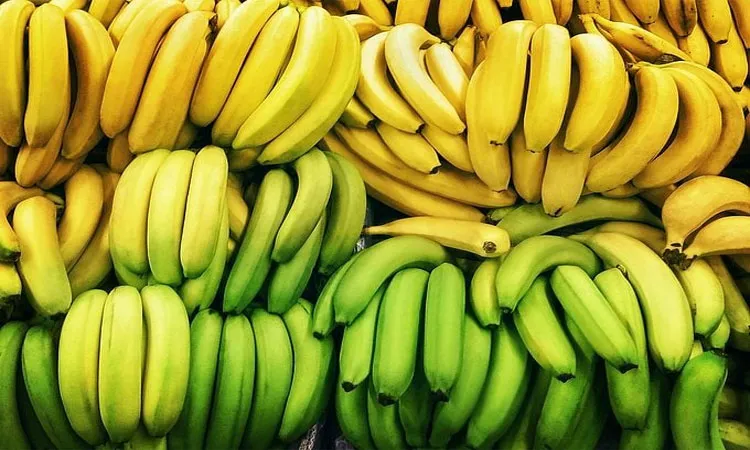
Unripe green bananas are rich in resistant starch a carbohydrate that bypasses the small intestine and ferments in the large intestine. This process feeds beneficial gut bacteria and slows carbohydrate absorption and helping prevent sudden spikes in blood sugar. While firmer and less sweet the green bananas are ideal for improving digestion and managing glucose levels.

Yellow Bananas: Quick Energy and Easy Digestion
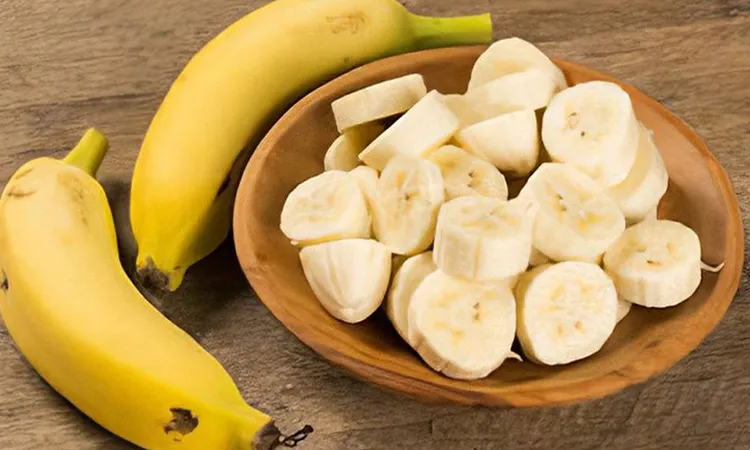
As bananas ripen to solid yellow, natural enzymes convert resistant starch into simple sugars like glucose, fructose and sucrose. This makes fully yellow bananas softer, sweeter and much easier to digest. Supplying about 105 calories per medium fruit, yellow bananas offer a convenient and rapid source of energy making them ideal before or after physical exercise. Slightly ripe yellow-green bananas provide a balanced middle ground between gut-friendly fiber and mild sweetness.

Brown-Spotted Bananas: Higher Antioxidants
When bananas develop brown spots, their starch levels drop to a minimum while sweetness peaks. Research indicates that levels of antioxidants such as phenolics and flavonoids increase during this final stage also helping shield body cells against oxidative stress.
No single stage is superior but choice depends on individual health goals. Green bananas suit those prioritizing gut health and steady blood sugar, yellow bananas excel for quick workouts and spotted bananas maximize antioxidant intake and natural sweetness.