As children, we learned a simple mathematical rule: if we know the price of one kilogram of rice, we can calculate the cost of two kilograms. What seemed like a basic classroom exercise was, in fact, a lesson in using known information to make informed decisions.
Years later, I find myself thinking about that same principle in a very different context: our food system. Imagine knowing, at a glance, how much sugar, salt or unhealthy fat a packaged food contains. Wouldn't that make it easier to understand what we are buying and make a more informed choice? This simple idea lies at the heart of Front of Pack Labelling (FOPL), a system that places clear, easy to understand nutrition information or warning labels on the front of food packages.
The idea is particularly relevant as we mark World Food Day on 16 October. The theme for 2026, “Innovate today. Nourish tomorrow,” invites us to rethink how we produce, distribute and consume food. Innovation is not limited to developing new crops or introducing advanced agricultural technologies. It also means finding practical ways to help people understand their food and make informed decisions about what they eat.
Is filling our stomachs enough?
In Bangladesh, this is a question we can no longer afford to overlook.
Chips, biscuits, instant noodles and sugary drinks are widely available at relatively low prices. For many people, these products have become part of everyday life, driven by busy schedules, limited household budgets, convenience and the appeal of taste. But affordable and accessible food is not necessarily nutritious food.
Consider a child buying a small packet of chips on the way home from school, or a busy worker reaching for instant noodles during a short break. These are familiar scenes. Yet the choices behind them are not always as simple as they appear. Personal preference matters, but so do time, affordability and the availability of alternatives.
That is why discussions about food choices must go beyond telling people what they should eat. We also need to ask why certain foods become their preferred options and whether they have the information necessary to make informed decisions.
Food security is not simply about whether food is available. It is also about whether people can afford nutritious food and whether they have access to reliable information about the products they consume. When healthier options remain beyond the reach of many households, advice alone cannot solve the problem. At the same time, consumers should not have to struggle to understand the nutritional qualities of packaged foods that are readily available in the market.
Regular consumption of foods high in sugar, salt and unhealthy fats can increase the risk of non-communicable diseases, including obesity, high blood pressure, diabetes and heart disease. Reducing these risks requires individual awareness, but it also requires a food environment that makes clear information accessible and informed choices easier.
Innovation must also make food information easier to understand
When we hear the word innovation, we often think of agricultural technology, improved crop varieties or higher food production. These are important, but innovation can also mean making existing systems work better for people.
Front of Pack Labelling is one such approach. The scale of Bangladesh's food affordability challenge makes this especially important. According to the joint report of five United Nations agencies, The State of Food Security and Nutrition in the World 2026, approximately 38.6 per cent of Bangladesh's population—around 67.8 million people—could not afford a healthy diet in 2025. The report also indicates that approximately 26.2 per cent of the population experienced moderate or severe food insecurity between 2023 and 2025.
These figures point to a difficult reality: our food challenge is not only about availability. The ability to afford a nutritious diet remains a major concern.
In this context, access to clear nutritional information becomes even more important. Consumers can usually see a product's price and recognise its flavour or brand. But quickly determining how much sugar, salt or fat it contains can be much harder.
Nutrition information printed in small letters on the back of a package may be difficult to locate or understand, particularly when consumers are making quick purchasing decisions. If essential information is not easy to interpret at the point of purchase, its practical value to consumers may be limited.
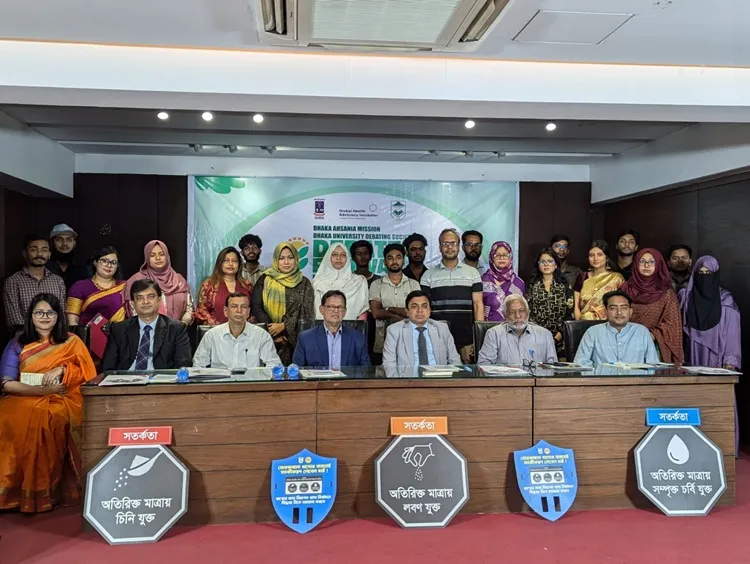
This is where FOPL can make a difference. By displaying prominent, easy-to-understand nutrition information or standardised warning labels on the front of packages, FOPL can help consumers identify products that contain high levels of particular nutrients. It can also make comparisons between products easier.
Importantly, FOPL does not make decisions on behalf of consumers. It gives them clearer information so they can make their own choices with greater confidence.
Today's policy decisions can shape tomorrow's health
The connection between FOPL and this year's World Food Day theme is clear. Innovation is not always about inventing something entirely new. Sometimes, it means improving an existing system so that it better serves people's needs. Increasing food production matters. So does ensuring that people can understand what they are eating.
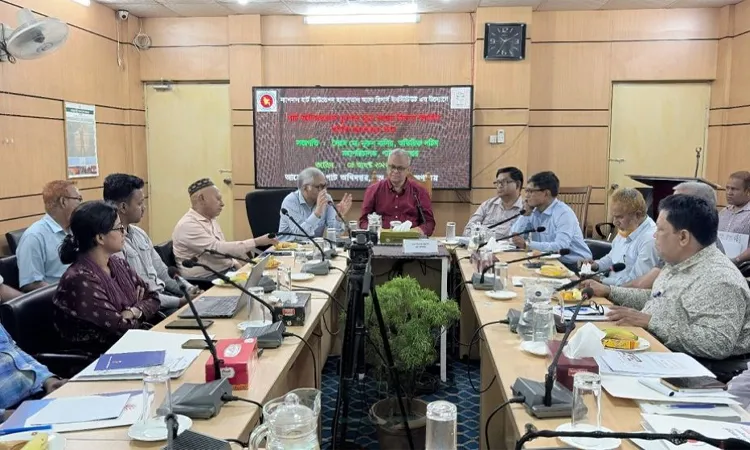
Bangladesh has already taken steps towards developing a regulatory framework for packaged food labelling. In January 2026, the Bangladesh Food Safety Authority published the draft Safe Food (Packaged Food Labelling) Regulations for public consultation. Following subsequent consultations and discussions, the draft was sent to the Ministry of Food for further processing.
This is an important step forward. However, a draft regulation that remains under consideration should not be mistaken for an enforceable regulation already in effect.
The next step should be to develop a science-based, practical and effective framework through constructive engagement among public health professionals, nutrition experts, consumer rights advocates, regulatory authorities and the food industry.
Clear, easy and standardized warning labels on the front of food packages could help consumers make more informed decisions. They could also encourage food manufacturers to review product formulations and improve nutritional quality. But these benefits will depend on sound regulatory standards, effective implementation and regular monitoring.
A well designed policy must do more than put information on a package. It must ensure that the information is meaningful, understandable and useful to the people who need it.
A simple lesson, a shared responsibility
Let us return to that childhood lesson in arithmetic. One reliable piece of information can help us work out something we did not previously know. But when it comes to public health, providing information is only part of the task. We must also make sure that people can access, understand and use it. Clear nutrition information and appropriate warning labels on food packages can be an important part of that effort.
The World Food Day call to “Innovate today. Nourish tomorrow” is especially relevant to Bangladesh. Building a safer and more nutritious food system requires more than increasing production. It requires protecting consumers' right to know what is in their food and giving them a fair opportunity to make informed choices. Bringing FOPL under an effective and mandatory regulatory framework could be an important step towards that goal.
The decisions we make today about how food information is presented can help shape how future generations understand food and develop healthier eating habits. A better-nourished future depends not only on producing more food, but also on ensuring that people can understand what they eat.
Making that possible is a shared responsibility—one that belongs to individuals, the government, the food industry and society as a whole.
[The author is a development worker and can be contacted through the Email: mr_swaron@yahoo.com. ]