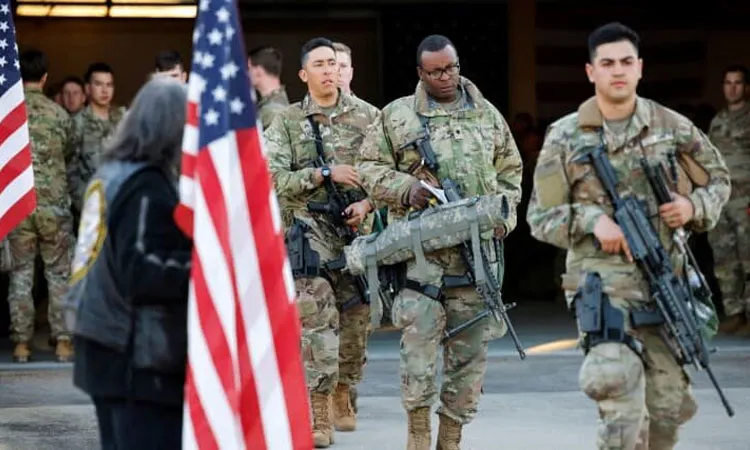
The US military is grappling with unprecedented internal instability amidst an escalating in six-month conflict with Iran. Over 20 senior officers have recently been removed or had promotions blocked. Most notably, Army Secretary Dan Driscoll resigned following deep administrative and strategic disputes with War Secretary Pete Hegseth also exposing critical vulnerabilities in the Pentagon’s command structure.
While the White House estimates the conflict's direct cost at $37.5 billion the true toll lies in severely depleted weapon stockpiles. The heavy expenditure of precision munitions and Patriot interceptor missiles threatens America’s broader strategic readiness. Allies in Europe and Asia are increasingly concerned that prolonged engagement in the Middle East will compromise Washington’s capacity to deter global competitors like China and Russia.
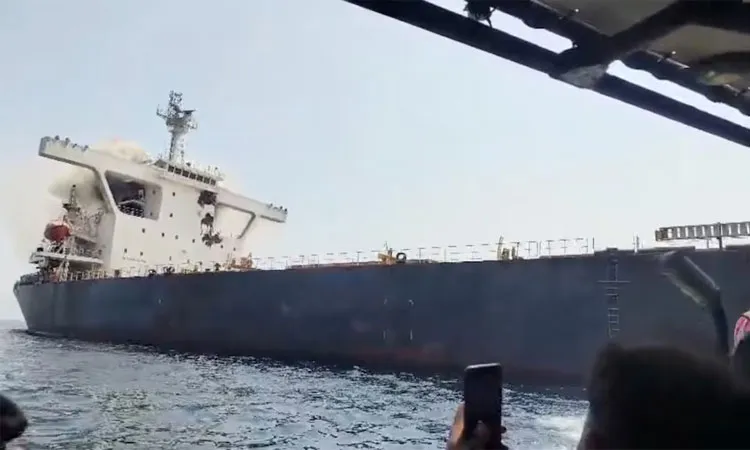
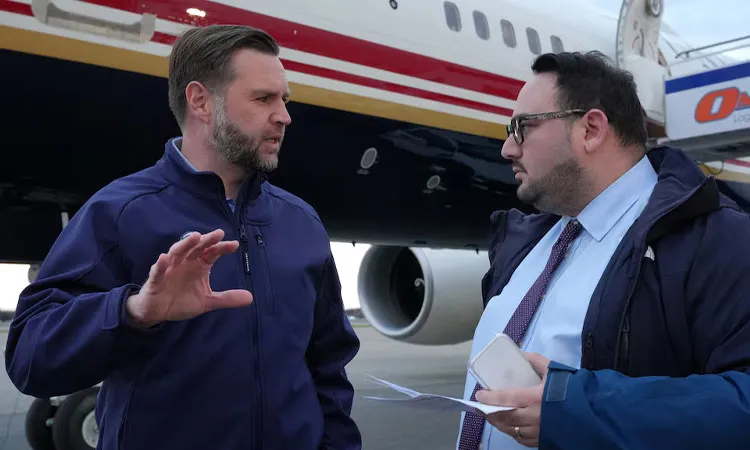
Domestically, the conflict has driven up inflation and gas prices, creating a political liability for Republicans ahead of the November 3 midterm elections. Despite recent U.S. strikes defending commercial vessels in the Strait of Hormuz and retaliatory Iranian fire on Kuwait Vice President JD Vance recently refused to label the conflict a "war" emphasizing that there are no active ground engagements. Vance declined to provide a timeline for the conflict’s end.
Public transparency has also come under scrutiny. The Pentagon recently drew backlash for quietly reclassifying dozens of recent U.S. casualties. Troops killed or wounded after a brief ceasefire collapsed were shifted from official war totals into a new "Overseas Operations" category.
As resources drain and leadership fractures, the conflict has evolved from a display of American might into a severe stress test of its global military sustainability.