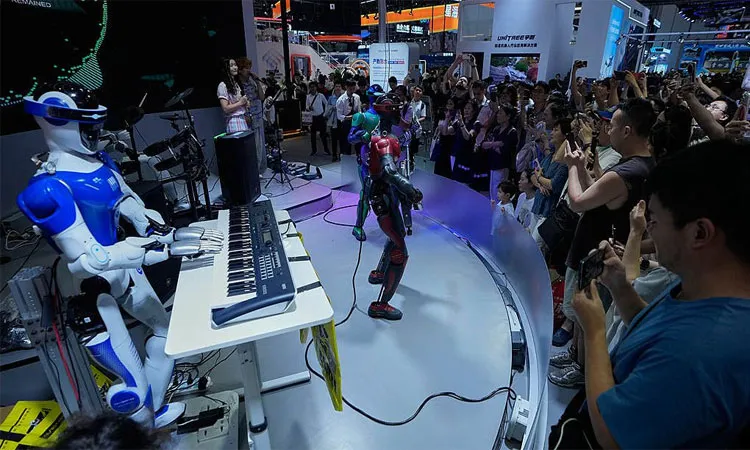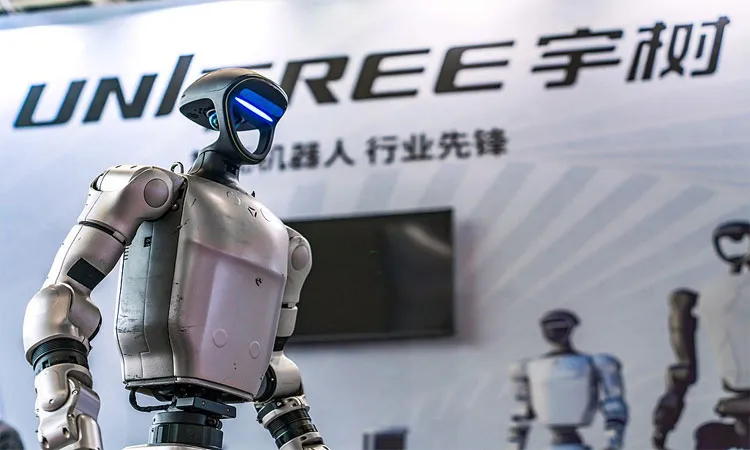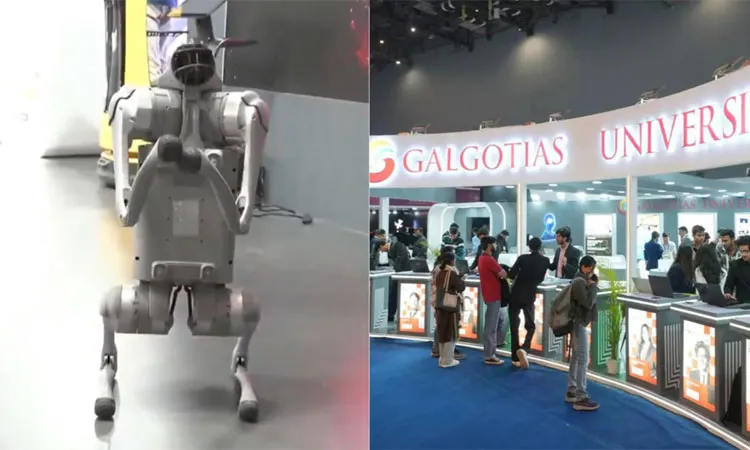
China's viral robot dances and kung fu shows hide a bigger problem: the machines are still too slow and unreliable for real factory work.
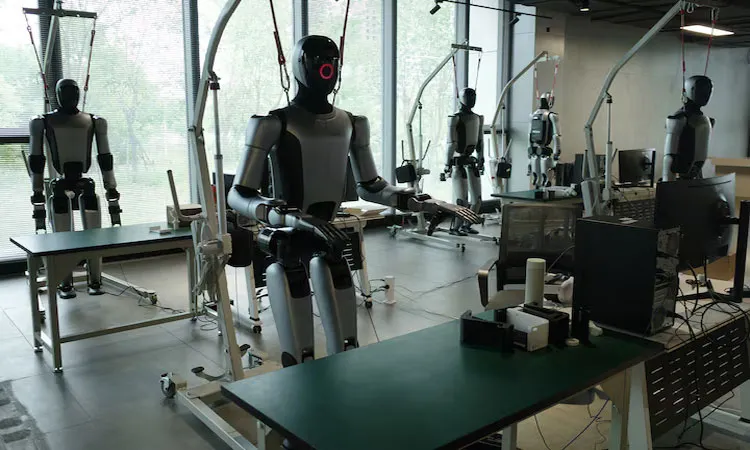
At a training center in southern China, over 100 humanoid robots practice simple tasks like sorting crates and making coffee as guided by human trainers using headsets and controllers. Progress is slow novice trainers need 300 attempts to get one usable movement and experts need 50.

China now has more than 150 humanoid robot companies more than its EV brands. State and local governments spent at least $230 million on robots and related equipment in early 2026 up sharply from previous years. Beijing plans to produce over 100,000 humanoids this year with global shipments forecast to hit 1.2 million by 2030 according to BofA Global Research.

But experts warn this growth is outpacing actual usefulness. "The robots' IQ is too low" said one industry executive. "A lot of what we see is dancing disguised as working." Government purchases not market demand are largely driving sales and several firms depend heavily on subsidies to stay profitable.

In factories the conventional robotic arms still outperform humanoids in speed and reliability. At Xiaomi's EV plant the robotic arms handle most assembly work, while humanoids are only used for simple tasks like installing nuts. Robots at the Liuzhou training center work at just 20% of human speed.

Some early success stories exist the Galbot's robots now assist in pharmacies across China the retrieving medicines with over 95% accuracy.

But analysts expect a market shakeout by 2027 as unprofitable firms fail and government subsidies tighten even as China's manufacturing dominance keeps growing.