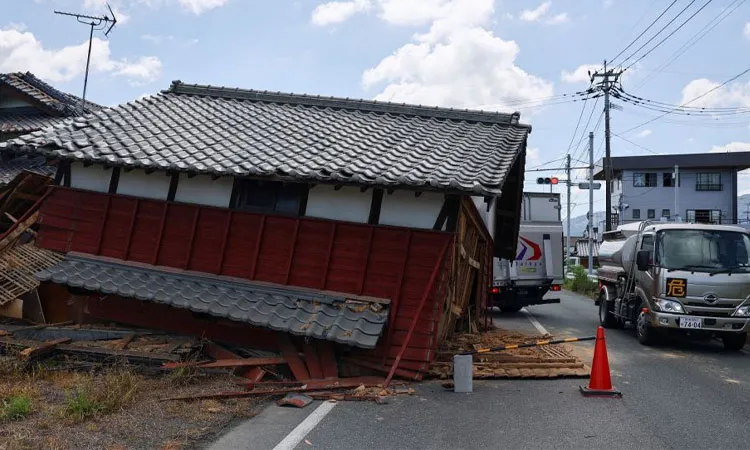
A 7.1-magnitude earthquake in southern Japan’s Kumamoto prefecture has claimed at least 34 lives and severely disrupted global auto and semiconductor supply chains. Striking a region often called Japan’s "Silicon Valley" the disaster has halted operations at critical manufacturing hubs.
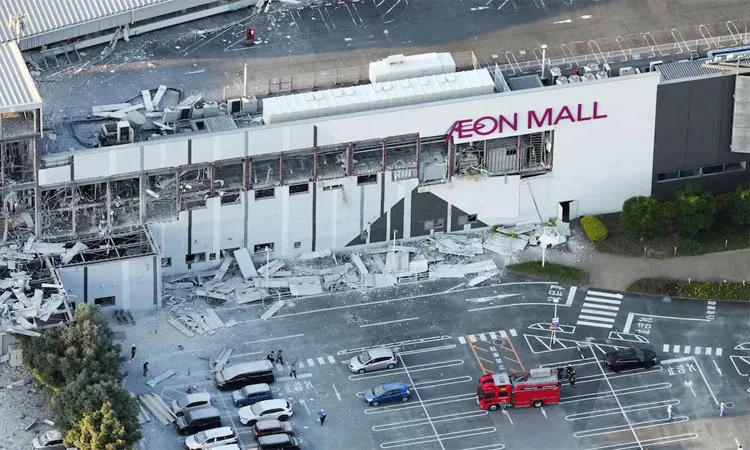
Tragically nearly half of the fatalities occurred in commercial areas. Nine people died at a structurally damaged paper mill and seven others were killed at a shopping mall following a suspected gas explosion. The quake also ruptured roads and cut essential utilities for thousands of households.
The economic fallout is rippling through global markets. Leading automakers including Toyota Nissan and Mitsubishi Motors have suspended production at multiple plants due to parts shortages and mandatory safety checks. Crucial suppliers like Aisin and Denso face significant operational delays. These disruptions raise concerns about prolonged manufacturing bottlenecks reminiscent of the devastating 2016 earthquake in the same region.
The semiconductor industry vital for everyday technology and vehicles has also taken a hit. While industry giant TSMC briefly evacuated its Kumamoto plant before quickly resuming operations other major tech players are struggling. Companies like Renesas Sony and Tokyo Electron are facing slower phased restarts due to structural damage water leaks and safety assessments.
As recovery efforts continue this disaster serves as a critical stress test for the resilience of Japan's global manufacturing infrastructure.