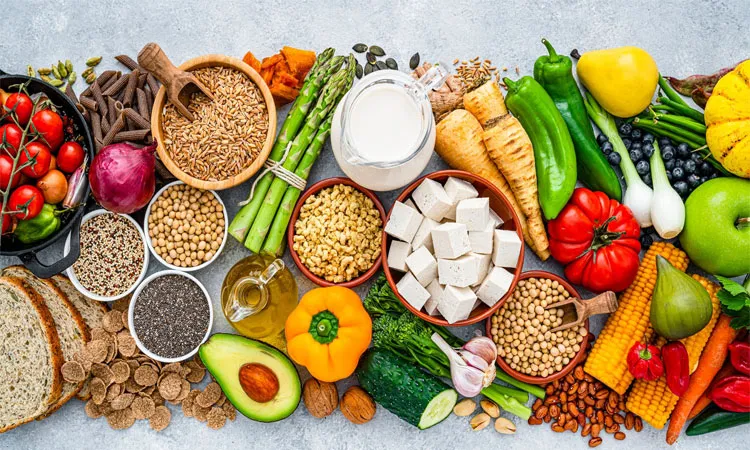
A landmark of UK study involving over 1.8 million people has shed new light on the complex relationship between a meat-free diet and cancer risk. The findings reveal that while vegetarian and vegan diets protect against several major cancers also they significantly increase the risk of others.

The Benefits of Cutting Out Meat
Overall the study paints an optimistic picture for those avoiding meat. Vegetarians were found to be up to 31% less likely to develop pancreatic, prostate, breast, kidney and multiple myeloma cancers compared to meat-eaters. Specifically:
Pancreatic Cancer: Vegetarians had a 21% lower risk with largely linked to maintaining a lower Body Mass Index (BMI).
Breast and Prostate Cancers: Vegetarian women had a 9% lower risk of breast cancer while vegetarian men had a 12% lower risk of prostate cancer.
Kidney and Blood Cancers: Vegetarians showed a 28% reduced risk of kidney cancer and a 31% reduced risk of multiple myeloma.

The Hidden Risks
However the study also uncovered alarming risks. Vegetarians had a staggering 93% higher risk of developing oesophageal cancer. Researchers suggest this may be due to the lack of essential nutrients found in red meat, such as zinc, iron and B vitamins may have a protective effect.
Furthermore the vegans were 40% more likely to develop bowel cancer. Experts speculate this could be due to a lack of calcium commonly found in dairy which is known to protect against colorectal cancer as well as an overreliance on ultra-processed vegan foods.
Expert Takeaway
University of Oxford Professor noted that the study highlights both the benefits and risks of meat-free diets. Experts stress that regardless of diet type, prioritizing whole foods, fruits and vegetables and supplementing missing nutrients is essential for reducing overall cancer risk.