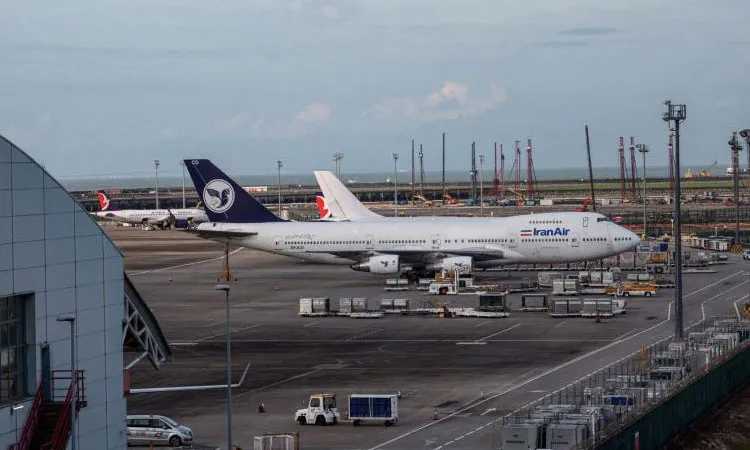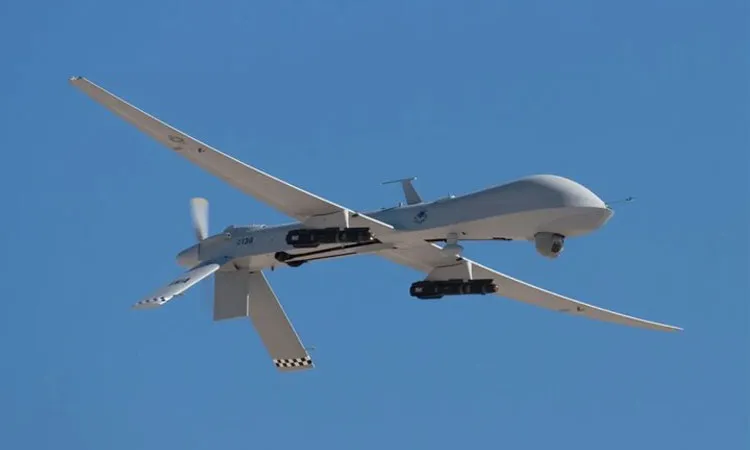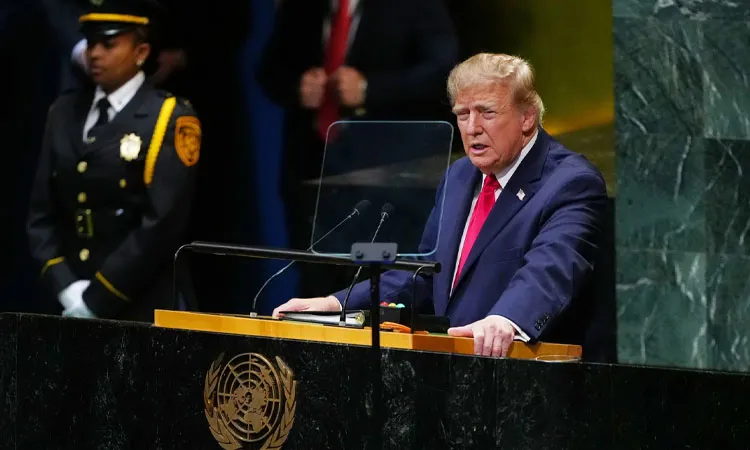
Speaking at the UN General Assembly on Tuesday the US President Donald Trump issued a fierce ultimatum to Tehran, warning he could "annihilate" Iran if an agreement is not reached to end the ongoing military conflict. However, quiet diplomatic negotiations on the sidelines suggest both nations may be edging toward a deal.
Addressing world leaders, Trump framed his choice regarding the conflict which began in February with joint US-Israeli strikes as a choice between striking a rebuilding deal or launching overwhelming military force. "Do I annihilate the Islamic Republic and do it quickly... Or will a deal be made?" Trump asked with adding that he expects a resolution following the US midterm elections in November.
Trump’s bellicose rhetoric clashed with the tone of outgoing UN Secretary-General António Guterres, who warned of widening global geopolitical divisions and criticized unilateral power plays. Trump pushed back, dismissing international bodies and reaffirming his "peace through strength" agenda while emphasizing US military dominance.
Despite the harsh words from the podium, intensive indirect diplomacy unfolded behind closed doors. US Special Envoy Steve Witkoff and Iranian Foreign Minister Abbas Araghchi held a three-hour meeting in New York facilitated by Qatari mediators. Witkoff described the discussions as "constructive and promising" confirming that mediators would continue shuttling between both sides.
Tehran’s response remained guarded. Iranian armed forces dismissed Trump’s threats as "domestic propaganda" born of strategic desperation also warning that they remain fully prepared to deliver crushing retaliation against any aggression. However, senior Iranian officials signaled flexibility with indicating Tehran could reopen the vital Strait of Hormuz a crucial transit route for global oil supplies within days if the US lifts its maritime blockade and eases military pressure.
Beyond the Middle East, Trump reiterated his commitment to ending Russia’s war in Ukraine and confirming US Secretary of State Marco Rubio would meet Russian Foreign Minister Sergei Lavrov. Trump also used his speech to reject global governance and vow that America would dominate the artificial intelligence race which he dubbed "super intelligence."