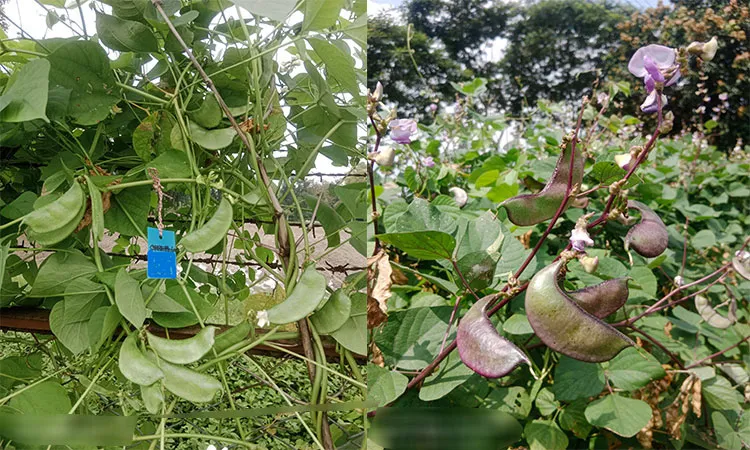
Legumes, particularly our beloved winter beans are a staple of the Bangladeshi diet. Every winter, local markets overflow with fresh harvests. However, this seasonal abundance hides a critical flaw in our agricultural system as winter fades, so do the beans, leaving consumers wanting and farmers missing out on lucrative off-season profits.
The core issue is light sensitivity. Most local bean varieties only flower during the shorter days of winter. While a few summer varieties exist, their yield and quality remain disappointingly low. During winter, market gluts often force farmers to sell at rock-bottom prices. Conversely, summer scarcity drives prices up to a staggering 150 to 200 taka. To secure fair incomes for our farmers and year-round nutrition for the public, we must break this seasonal trap.

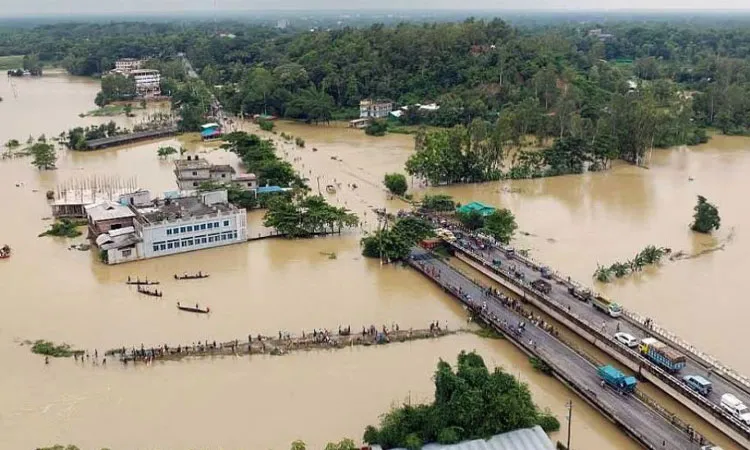
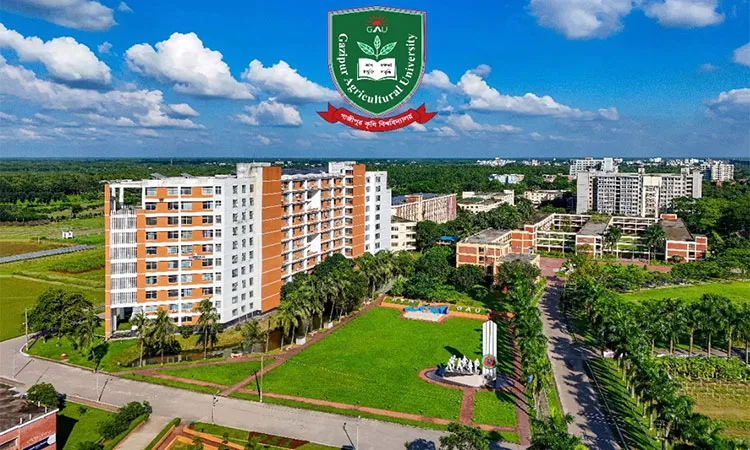
The solution lies in embracing climate-resilient agriculture. With rising temperatures, erratic rainfall and new pest threats, relying on traditional seasonal farming is no longer viable. Fortunately, researchers at Gazipur Agricultural University are offering a lifeline. After seven years of cross-breeding rich local germplasm, they have successfully developed photo-insensitive, heat-tolerant and high-yielding bean lines capable of thriving in our hot, humid summers.
But scientific breakthroughs mean little if they stay in the laboratory. It is time to move these climate-resilient varieties from research plots to farmers' fields. We urgently need robust government extension programs, practical training on summer water management and widespread demonstration plots.
By commercializing high-quality summer beans we can transform a vulnerable seasonal vegetable into a resilient, year-round cash crop. Embracing modern plant breeding is not just about growing more food it is a vital step toward future-proofing Bangladesh’s agriculture against a rapidly changing climate.
Writer: Prof. Dr. A. K. M. Amnul Islam Department of Genetics and Plant Breeding Department, Gazipur Agricultural University, Gazipur.