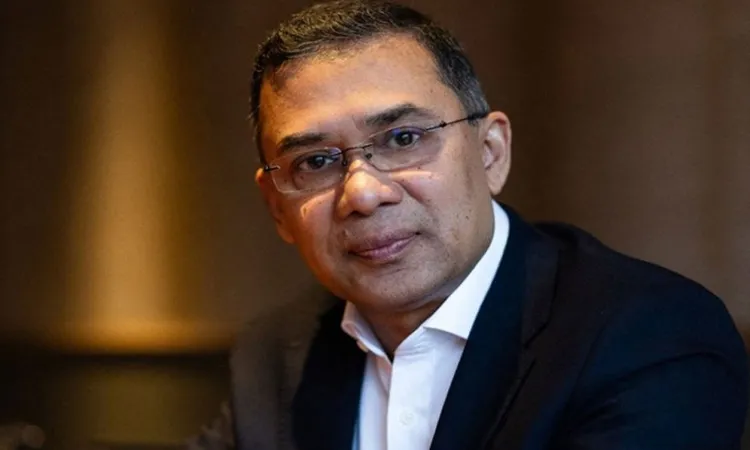
Following the International Court of Justice’s (ICJ) landmark verdict holding Myanmar responsible for the 2017 Rohingya genocide, Foreign Minister Dr Khalilur Rahman has warned that Myanmar must comply with the binding ruling or face international consequences.
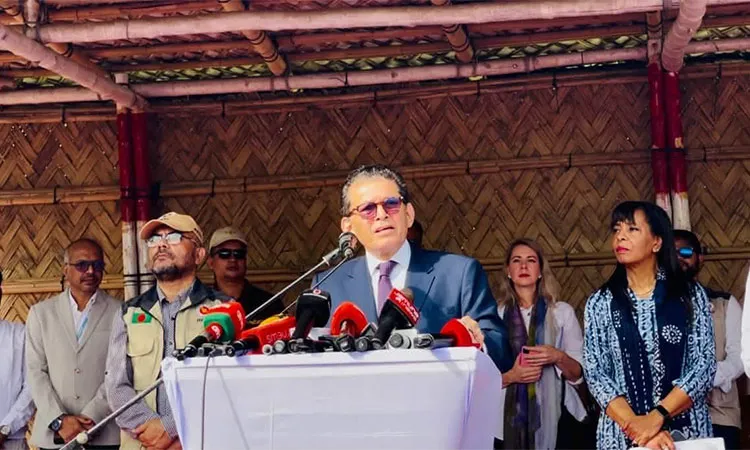
Speaking to journalists on Friday morning after visiting the Kutupalong Rohingya camp in Ukhiya, Cox’s Bazar, Dr Khalilur Rahman who also serves as president of the UN General Assembly said the ruling marks a new chapter in justice, though implementation remains the real test.
"The ICJ’s ruling is final and binding. Rohingyas must be repatriated not as 'Bengalis' but with their own distinct ethnic identity" he said, urging sustained global pressure on Naypyidaw to ensure safe, voluntary and dignified returns. He added that Bangladesh has engaged 190 countries to build diplomatic momentum for accountability and repatriation.

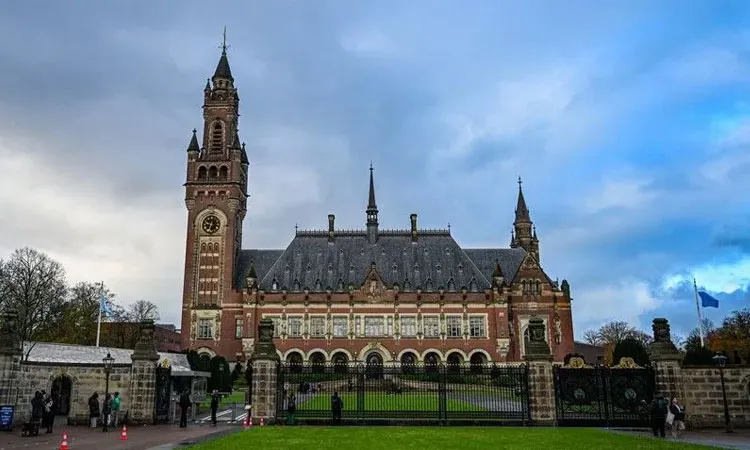
On Thursday in The Hague, the 15-judge UN top court ruled 9–6 in the case brought by The Gambia that Myanmar’s military committed genocide in northern Rakhine State. The judgment the first time the ICJ has found a state guilty of genocide ordered Myanmar to ensure safe repatriation, compensate victims, restore destroyed property and report on compliance within two years. UN Secretary-General António Guterres hailed the decision as a historic precedent and urged Myanmar to prosecute perpetrators.

Hope and Caution in the Camps
In Cox’s Bazar where over 1.5 million Rohingyas live nine years after fleeing military crackdowns, refugees watched the verdict on large screens with tears and prayers. Yet community leaders stressed that a legal victory alone is not enough.
"True justice means recognising our identity, restoring our citizenship rights and ensuring a safe return," said Rohingya leader Abul Hossain Majhi, echoing fellow leader Muhammad Zubair, who described prolonged camp life as worse than prison. For survivors like Ayesha Khatun who fled in 2017 with her newborn daughter, the ruling renews hope that her child might grow up safely in her homeland.
Analysts caution that turning the verdict into reality faces steep hurdles on the ground. Professor Nasir Uddin of Chittagong University’s anthropology department noted that while the ruling gives Rohingya political demands a solid legal footing, immediate repatriation remains unlikely without political and security shifts in Rakhine. With the Arakan Army now controlling large parts of the state, experts say Dhaka must maintain dialogue with all key stakeholders not just Myanmar’s central authorities to secure border stability and a viable path home.