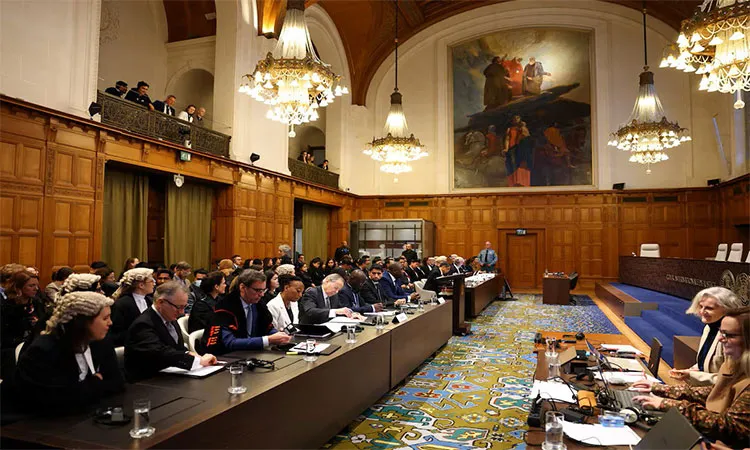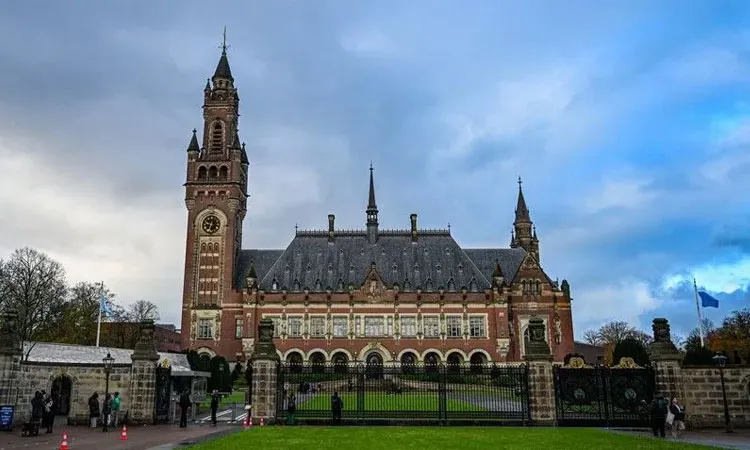
The United Nations’ highest court ruled on Thursday that Myanmar committed genocide against the Rohingya Muslim minority during its 2017 military crackdown with marking the first time in history the court has held a state responsible for genocide.
In a 9-6 verdict, the International Court of Justice (ICJ) found that Myanmar’s security forces killed at least 10,000 Rohingya civilians, carried out widespread sexual violence and razed hundreds of villages in northern Rakhine State with the specific intent to destroy a substantial part of the group. The judges rejected Myanmar’s defense that the operations were legitimate counter-insurgency measures with noting the scale of destruction went far beyond military necessity.

The court ordered Myanmar to prosecute perpetrators, compensate victims, restore damaged property and facilitate the "safe, voluntary and dignified return" of displaced Rohingya. It also found that Myanmar violated a 2020 order to preserve evidence by destroying village remnants and building a government base on former Rohingya land.

The landmark ruling which is final and cannot be appealed follows a 2019 case filed by The Gambia with the backing of the Organisation of Islamic Cooperation (OIC).
In Dhaka, State Minister for Foreign Affairs Shama Obaid Islam welcomed the verdict as "a historic day" and urged the international community to pressure Myanmar and the Arakan Army to immediately begin repatriating the more than 1.2 million Rohingya sheltered in Bangladesh.
"We hope that the government of Myanmar and the Arakan Army as well also will come to realize that the Rohingya people wish to return to their own country with dignity" Obaid said at a media briefing, thanking The Gambia for championing the case.
In Cox’s Bazar, over 1,000 refugees cheered as the judgment was broadcast. "The world’s highest court has permanently shattered that state-sponsored lie" said Rohingya campaigner Wai Wai Nu.
Internationally the UN Secretary-General António Guterres hailed the decision as a stand against impunity while the European Union stressed that compliance is an obligation under international law. Britain moved to expel Myanmar’s defence attaché and called for an urgent UN Security Council session.
Meanwhile the US State Department reacted cautiously also noting it was reviewing the judgment while warning against the "politicisation" of the court as the ruling could set a major precedent for pending genocide cases involving Gaza and Ukraine.