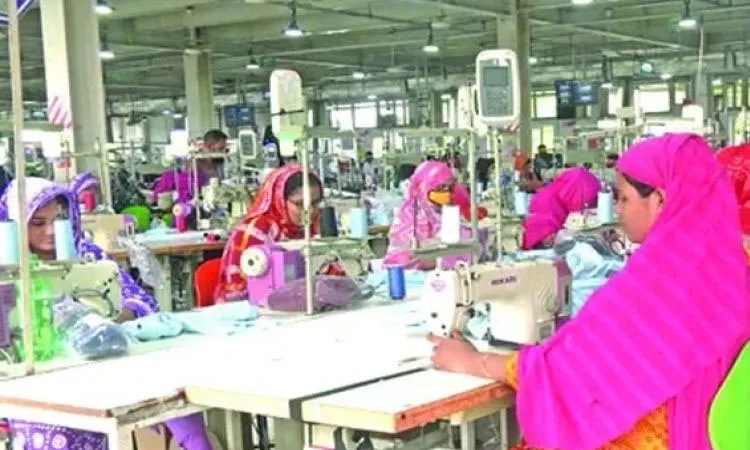
Bangladesh has a clear path to capture 12% of the projected $375 billion global man-made fibre (MMF) apparel market by 2030. According to Dr. Saif Uddin Ahammad Chief Executive of the Bangladesh Foreign Trade Institute (BFTI) reaching this target requires strategic policy reforms technological upgrades and increased domestic and foreign investment.
While Bangladesh is currently the world’s second-largest apparel exporter its export basket remains overwhelmingly dependent on cotton. With global consumer demand rapidly shifting toward synthetic and blended garments diversifying into MMF is essential. Dr. Ahammad emphasized that expanding MMF production is an "economic necessity" to sustain export growth and remain competitive as Bangladesh prepares for its post-LDC (Least Developed Country) transition.
To secure this market share the government has outlined a comprehensive roadmap. Key priorities include rationalizing tariffs on raw materials expediting foreign direct investment (FDI) approvals expanding local synthetic yarn production and building a skilled workforce. Additionally experts urge the extension of bonded warehouse facilities and the introduction of dedicated credit schemes to help manufacturers produce high-value items like activewear and sportswear.
With timely implementation and strong public-private collaboration Bangladesh is well-positioned to evolve into a major global hub for man-made fibre apparel over the next decade.