U.S. President Donald Trump has warned Iran and its Houthi allies of "major military punishment" following Houthi strikes on two Saudi oil tankers in the Red Sea. The escalation follows the collapse of an interim truce two weeks ago.
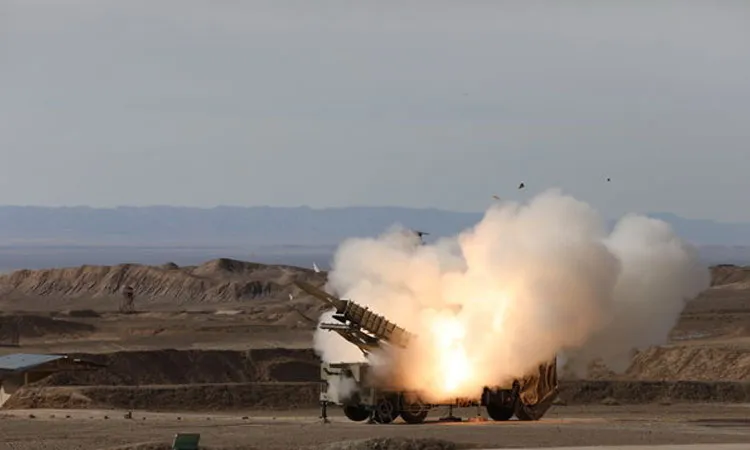
The U.S. recently launched overnight airstrikes on Iranian targets. In retaliation Iran fired missiles at U.S. military positions in neighboring Arab countries, Jordan and Kuwait.

The Houthis who control parts of Yemen claimed responsibility for striking the Saudi tankers Encelia and Layla. They recently announced a naval blockade on Saudi Arabia with disrupting a key pipeline route designed to bypass the Strait of Hormuz.
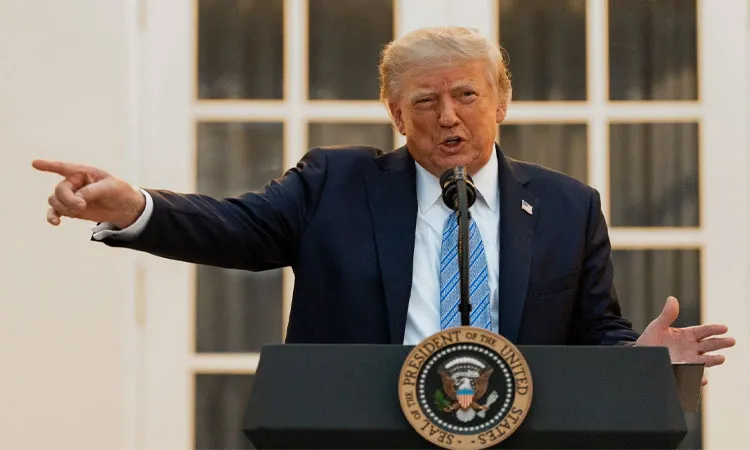
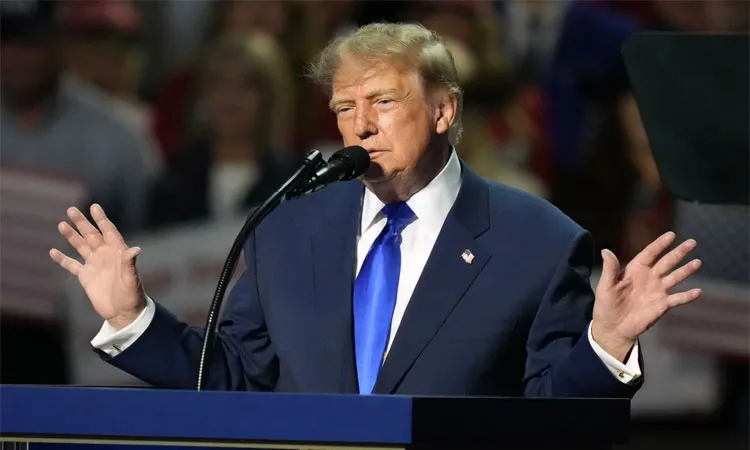
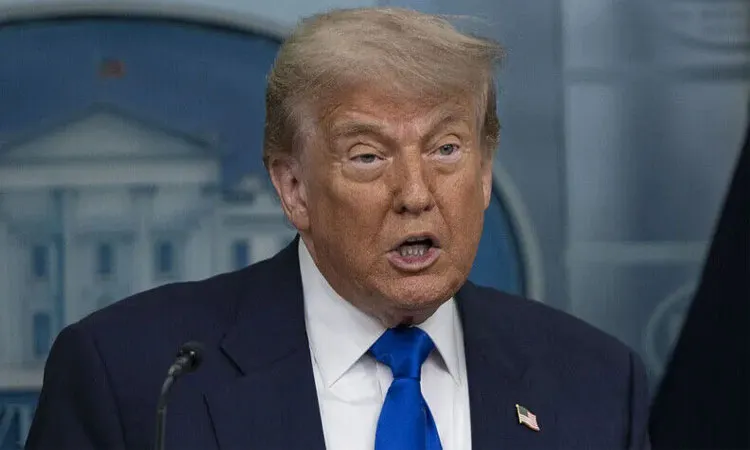
Taking to Truth Social Trump held Tehran directly responsible and calling the Houthis an Iranian proxy. He later told Axios he is close to deciding on launching "major combat operations" against Iran also stating "They haven't received enough pain yet."
The maritime fallout has been immediate. Insurance costs for Red Sea shipping have doubled and several vessels are rerouting around Africa to avoid the Bab el-Mandeb strait a move that will significantly delay energy shipments to Asia.
Meanwhile the conflict's regional footprint is widening. Iran’s Islamic Revolutionary Guard Corps (IRGC) claimed it destroyed a U.S. electronic warfare unit at Kuwait’s Camp al-Adiri though neither the U.S. nor Kuwait has confirmed casualties. Jordan's military reported successfully intercepting multiple Iranian drones and missiles aimed at its territory.
The IRGC also warned the UK against allowing U.S. B-1 bombers to operate from British bases and asserting that U.S. naval forces in the Indian Ocean had exhausted their cruise missile stockpiles. In a parallel development U.S. intelligence is reportedly investigating whether Russia is providing targeting data or drone technology to Tehran.
As the war enters its fifth month the tit-for-tat strikes raise severe concerns about a broader regional conflict and a potential global economic downturn driven by energy supply disruptions.