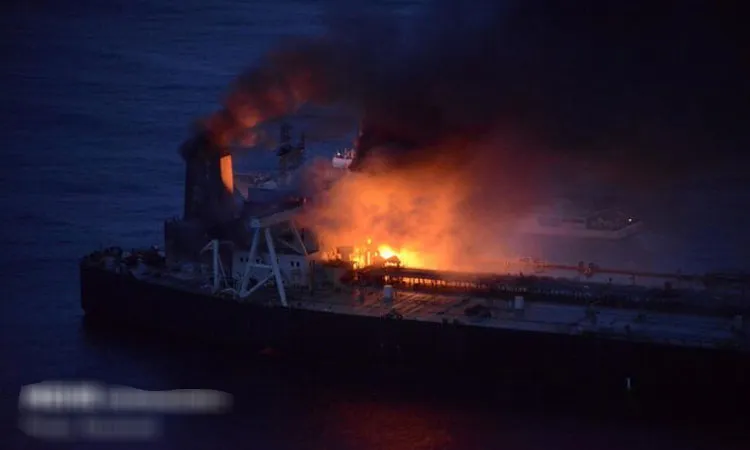
Tensions between the United States and Iran escalated sharply this week after Iran struck a US-linked base in Jordan and targeted ships near the Strait of Hormuz hours after American forces destroyed five Iranian oil tankers.
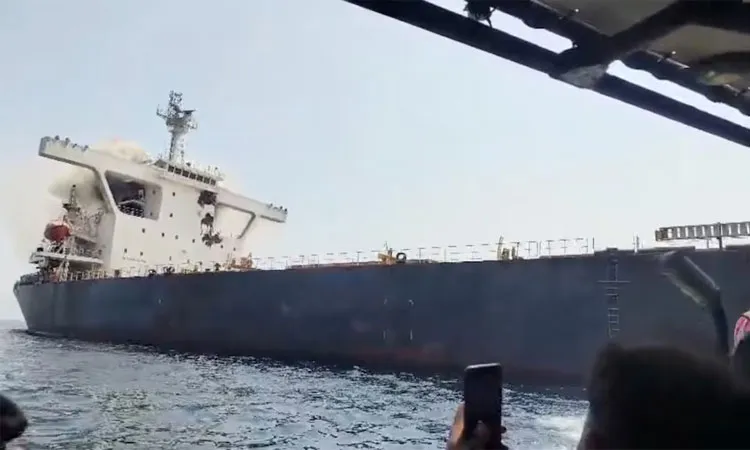
Iran's Revolutionary Guard Navy said it hit two US vessels and eight tankers in the Persian Gulf along with ten more ships attempting to cross what it called a restricted zone in the Strait of Hormuz. Tehran said the strikes were retaliation for a US attack that destroyed five of its oil tankers the Kivik, Charminar, Horizon 1, Riesco and Derya near the Gulf of Oman and Kharg Island. US Central Command said crews were warned to abandon ship beforehand and confirmed no Americans were harmed.
Iran also fired around 20 ballistic missiles at a base near Al Azraq in Jordan which hosts American troops. Jordan's military said it intercepted 18 of the missiles with two landing in unpopulated areas and reported no casualties. A US official called the strikes ineffective and said all American personnel were accounted for.
US Secretary of State Marco Rubio warned that Iran would keep losing tankers for every attempt to strike US naval ships. Washington has also imposed new sanctions on Iran's aviation sector also targeting more than two dozen airlines and cargo firms as part of efforts to isolate Tehran economically.
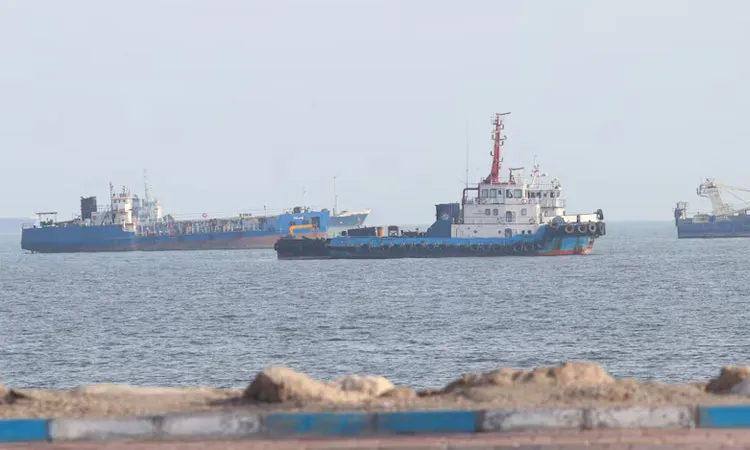
The clashes have disrupted a month of relative calm in the six-month-old conflict. Iran has also warned tankers near Kuwaiti and Bahraini ports to leave with accusing both nations of aiding US operations. A tanker was also damaged in the UAE's Khor Fakkan port though responsibility remains unclear.
Adding to regional instability the Yemen's Houthi rebels launched drone and missile strikes on Saudi Arabia with hitting an air base in Khamis Mushait and oil facilities in Abha, Najran and Jazan. At least 73 people were wounded including women and children.
The fighting has driven oil prices sharply higher with Brent crude nearing $100 a barrel amid fears over disrupted shipping through Hormuz, a route that once carried roughly a fifth of global oil supplies. Rising fuel costs are creating political pressure for US President Donald Trump ahead of the November midterm elections.
Both sides are now locked in a battle of economic pressure the US aiming to keep global oil flowing while blocking Iranian exports and Iran seeking to control shipping routes through the strait on its own terms.