


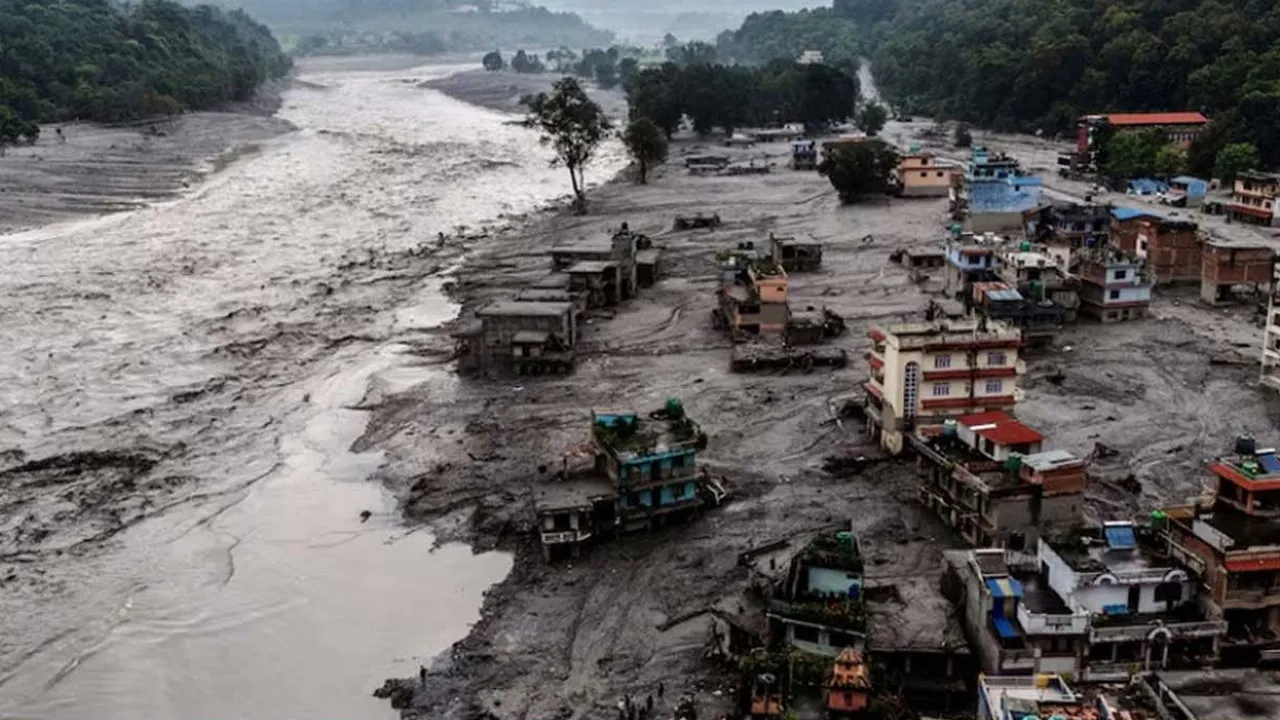
The death toll from devastating flash floods in Nepal has risen to 1,204, according to the latest data from the country’s National Disaster Risk Reduction and Management Authority (NDRRMA).
As rescue and search operations continue in the worst-hit areas, authorities have also begun accelerating the process of identifying and performing the final rites of victims.
Nepal’s Foreign Ministry spokesperson Lok Bahadur Chhetri confirmed the latest figures at a regular news briefing in Kathmandu on Wednesday, September 2.
Despite difficult conditions, rescue teams have continued operations around the clock. So far, 11,993 people have been rescued alive from flood-affected areas.
However, authorities remain unable to establish contact with around 3,900 people.
To help identify those still missing, Chhetri urged their relatives and close family members to submit DNA samples as soon as possible.
The samples can be provided at the Nepal Police Hospital in Maharajgunj or at any district police office.
The Nepal Army, Armed Police Force and Nepal Police, along with international specialist teams, are conducting rescue operations in the affected areas.
Specialist rescue teams from India, China and South Korea are working in difficult mountainous locations, including Langtang, Chilime and Upper Trishuli, where they are clearing mud and debris from hydropower projects and other affected areas.
The Nepalese government said advanced technology is being used to speed up search and rescue operations.
More than 300 foreign nationals have been rescued so far. However, around 590 foreign tourists and nationals from 34 countries are still reported missing.
Authorities are continuing search operations in remote and hard-to-reach areas in an effort to locate the missing people and identify victims.
The latest figures highlight the enormous scale of the disaster, with rescue teams facing challenging terrain and difficult conditions across the flood-hit regions.

