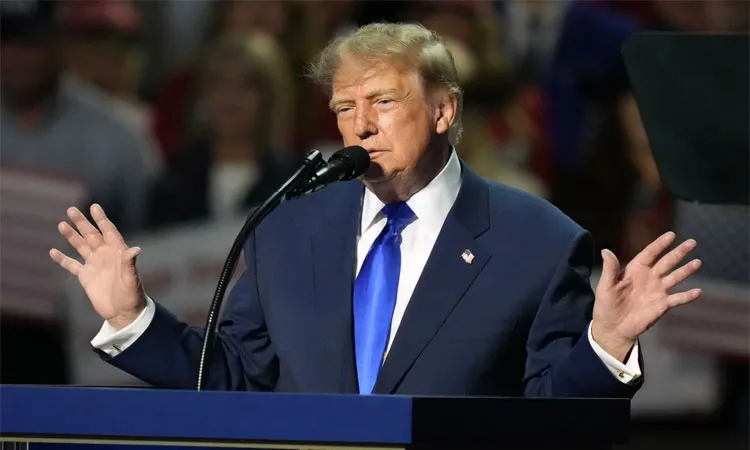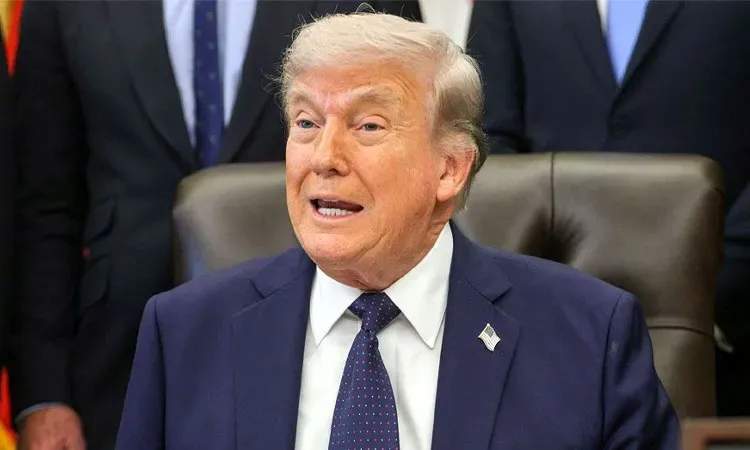
US President Donald Trump has announced he is close to launching a "massive attack" on Iran threatening a scale of military action larger than anything seen in the ongoing conflict.
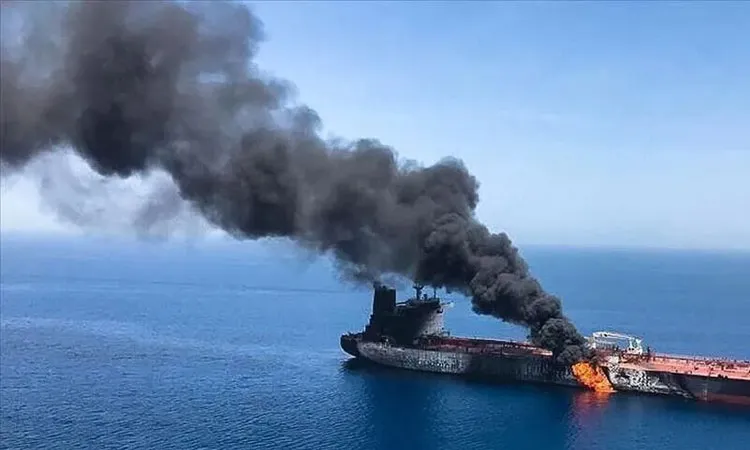
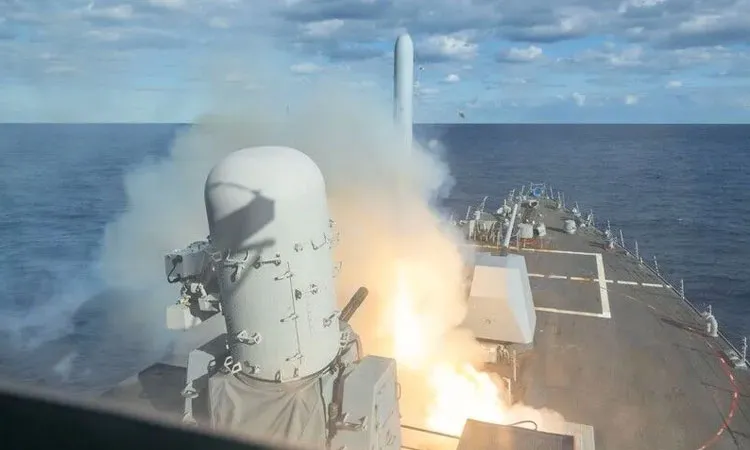
This dramatic escalation follows attacks by Iran-backed Houthi rebels on two Saudi Arabian oil tankers the Encelia and the Layla in the Red Sea. In response to the growing instability global oil prices have surged past $100 a barrel. While the US has already carried out 13 consecutive nights of airstrikes across Iran, Trump stated he will hold Tehran directly responsible for the Houthis' actions, promising "major military punishment".
The unrest is severely threatening global shipping routes. Houthi forces have announced a blockade of Saudi-linked ships passing through the Bab el-Mandeb strait a crucial maritime chokepoint that handles about 12% of global trade.
The international community has expressed profound alarm. UN Secretary-General António Guterres warned that the Middle East is teetering on the "edge of the unimaginable". Mitigating their risks the UK has temporarily withdrawn diplomatic staff from Iran, and Germany is pulling two naval vessels from the Red Sea.
Domestically the conflict remains deeply unpopular for the US administration. Highlighting the political strain ahead of the midterm elections the US House of Representatives narrowly passed a resolution attempting to halt further US military action in Iran. As tensions peak the potential for a wider regional war threatens global economic stability and energy supply chains.