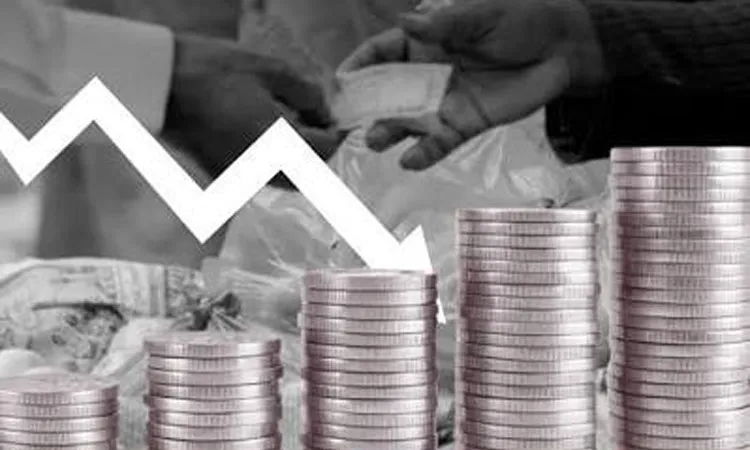
Bangladesh’s inflation dropped to 8.32% in July 2026, down from 9.16% in June primarily driven by a significant decline in year-on-year food costs.
According to the Bangladesh Bureau of Statistics (BBS) food inflation eased to 7.16% in July from 8.60% in June. Non-food inflation also decreased, falling to 9.28% from 9.61%. This marks a continued moderation in overall price pressures and down steadily from May’s peak of 9.42%.
Despite the annual cooling, short-term monthly costs did see a slight bump. On a month-on-month basis, the general price index grew by 1.44% in July a noticeable jump compared to June's marginal 0.34% rise. This monthly uptick was fueled by a 2.57% increase in short-term food prices.
Regionally, rural communities faced slightly higher economic pressure than city residents. Rural inflation stood at 8.36% (with non-food inflation particularly high at 9.53%), compared to urban inflation which settled at 8.24%.
Long-term trends remain positive. The 12-month moving average inflation improved to 8.66% for the August 2025 to July 2026 period with a notable drop from the 9.77% recorded in the previous 12-month cycle.
Meanwhile, wages continue a slow but steady climb. The national Wage Rate Index increased by 8.22% year-on-year in July. The services sector led this wage growth at 8.39%, followed closely by agriculture (8.24%) and industry (8.15%).