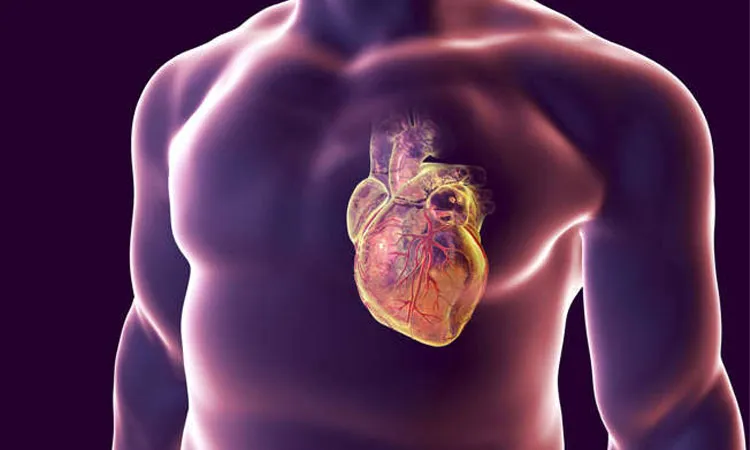
Cardiovascular diseases and strokes are no longer confined to the elderly with global medical research showing a sharp rise in cases among adults in their 20s, 30s and 40s.
While stroke rates among older adults have remained stable or declined the studies indicate prevalence among adults under 65 has risen by roughly 15 percent over the past decade with some data showing increases of up to 40 percent among those aged 18 to 44.

"Stroke is no longer a disease we can think of as affecting only the elderly" said Dr Felipe De Los Rios La Rosa, director of the stroke program at Baptist Health Miami Neuroscience Institute. "We are seeing younger patients in clinical practice more frequently than ever before."
Doctors attribute the trend to traditional risk factors such as high blood pressure, poor diet and sedentary lifestyles developing decades earlier. Emerging triggers the chronic stress, workplace burnout, air pollution, excessive energy drink consumption and stimulant use also strain blood vessels and trigger dangerous heart rhythm disorders.

Underlying cardiac issues such as atrial fibrillation (irregular heartbeat), cardiomyopathy or a patent foramen ovale (a small congenital opening in the heart) frequently go undetected until a stroke occurs. Although advanced MRI imaging has improved detection of smaller strokes, doctors also report more "cryptogenic" strokes with no obvious cause in seemingly healthy young people.
Crucially the young patients often dismiss early stroke warning signs as fatigue, anxiety or migraines also delaying life-saving treatment.
Health experts urge young adults not to wait until middle age to protect their hearts. Regular exercise, stress management, avoiding tobacco and excess alcohol and routine screening for blood pressure, cholesterol and heart conditions remain the most effective ways to prevent life-altering cardiovascular events.