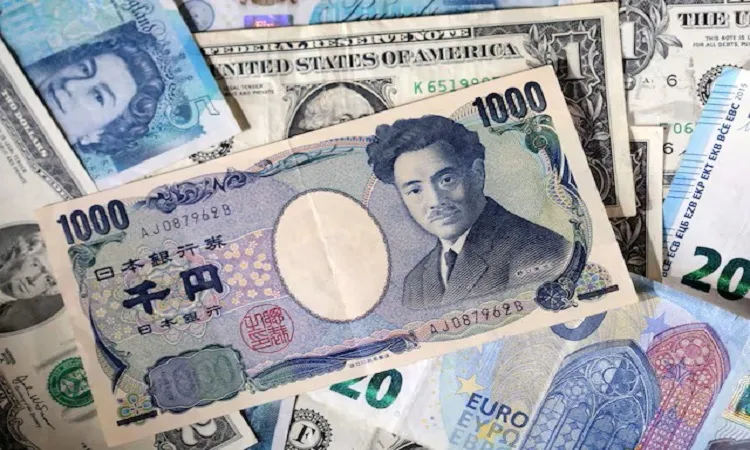
Bangladesh’s foreign exchange market is facing renewed pressure as surging fuel and essential import bills drive up demand for the US dollar, pushing open market rates to between Tk.127 and Tk.129.
According to Bangladesh Bank data, the average interbank exchange rate stood at Tk.124.35 on November 11. Commercial banks have been purchasing remittance dollars at up to Tk.124 and settling import letters of credit (LCs) at similar levels. However, a persistent shortage of physical cash dollars driven by outbound medical, education, and travel needs has left curb-market buyers paying Tk.3 to Tk.4 more than official bank rates.
Despite warnings of financial penalties and legal action from the Money Changers Association of Bangladesh against overcharging, curb-market dealers continue to sell dollars above fixed limits, raising concerns over market supervision and informal trading.
Central bank figures highlight the root of the strain: energy import costs nearly doubled in the first two months of the current fiscal year (July–August) while overall import spending rose 12 percent year-on-year to $12 billion. Meanwhile, gross foreign exchange reserves stood at $34 billion on November 10 with net reserves under the International Monetary Fund (IMF) calculation at $30 billion.
Globally the US dollar is also hovering near a 19-month high against major currencies also fueled by expectations of aggressive Federal Reserve interest rate hikes and rising global crude oil prices amid Middle East shipping disruptions.
Addressing the domestic volatility, Bangladesh Bank Executive Director and spokesperson Arif Hossain Khan noted that while remittances remain steady and exports have grown by 6 percent the heavy government fuel subsidies are temporarily straining dollar liquidity. He assured that the central bank will intervene whenever necessary to stabilize the market.