- National
- Bangladesh
- Business
- International
- Sports
- Entertainment
- Politics
- Technology
- Life Style
- Religion
- Opinion
- FIFA World Cup 2026
Thursday, 23 July 2026

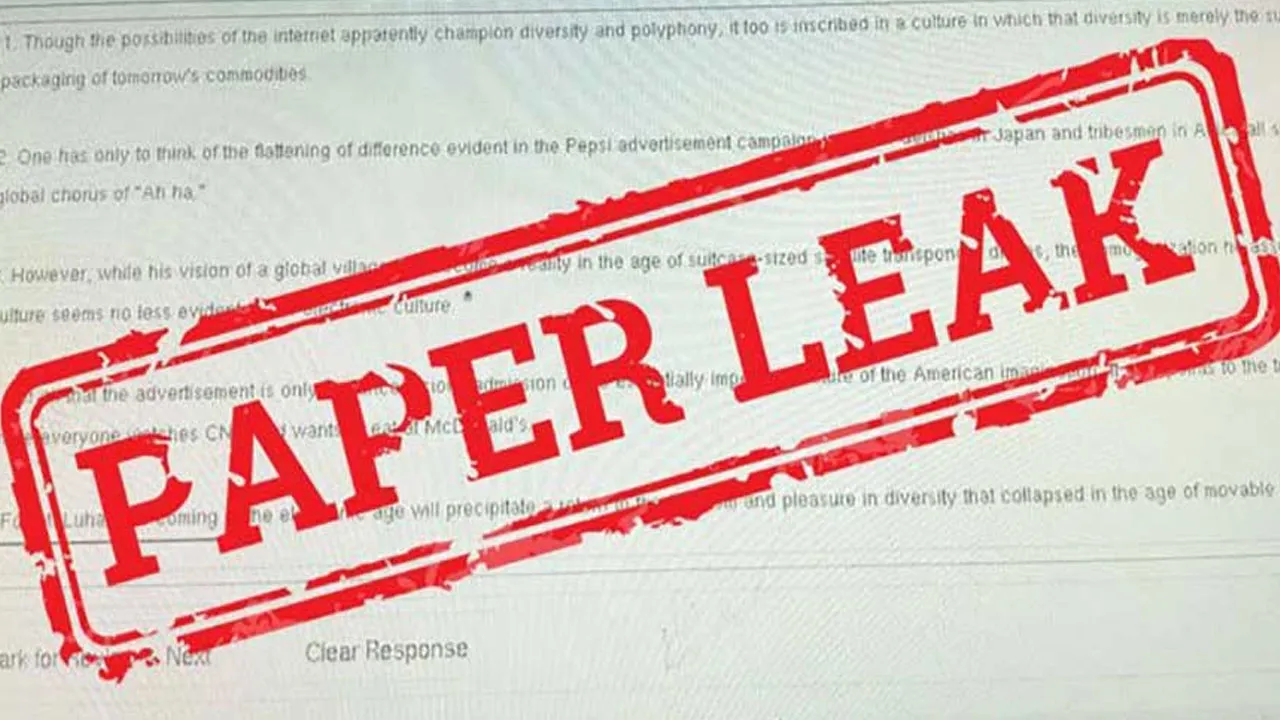
Indian Prime Minister Narendra Modi announced on Thursday that "fast-track" courts would be set up to prosecute those responsible for exam paper leaks. This was his first public response after days of youth-led protests demanding the resignation of Education Minister Dharmendra Pradhan.
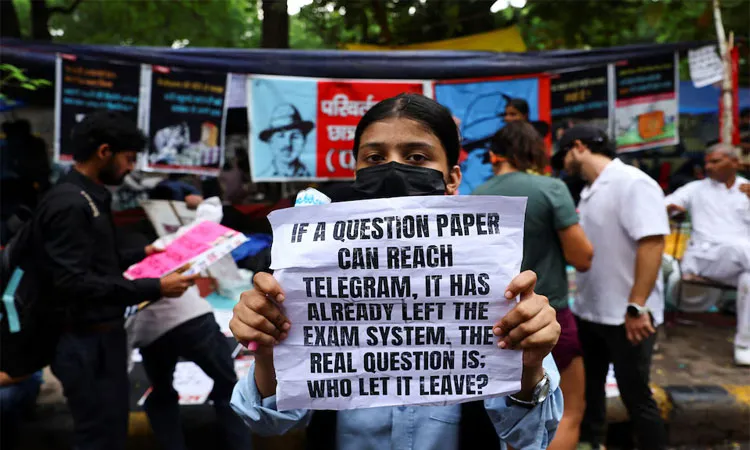
Protesters and opposition parties quickly rejected the proposal and insisting Pradhan must resign first. Opposition lawmakers disrupted parliament for a fourth consecutive day while clashes broke out between protesters and police in New Delhi with officers using tear gas and batons to control the crowd.

The protests mark the largest youth movement against Modi since he took office in 2014 and the biggest political crisis of his third term which began in 2024. On social media Narendra Modi said nothing was more important than the welfare of the country's youth and vowed strict punishment for those behind the leaks.
The protest movement led by a group calling itself the Cockroach Janta Party (CJP) began last month over paper leaks affecting nearly 2 million students, which have also been linked to several suicides. CJP leaders say fast-track courts alone will not fix the root problem and are demanding accountability from the education minister. Congress party leader Rahul Gandhi also blamed Modi for damaging the future of young Indians.
More than 10,000 protesters gathered in central New Delhi on Wednesday night some clashing with police. Authorities shut down 16 metro stations in the capital on Thursday for the second time this week due to security concerns.
While the government has held initial talks with protest leaders and promised reforms with demonstrations are set to continue until the minister steps down. Analysts say the unrest reflects deeper frustrations among young Indians over job shortages and repeated exam failures.