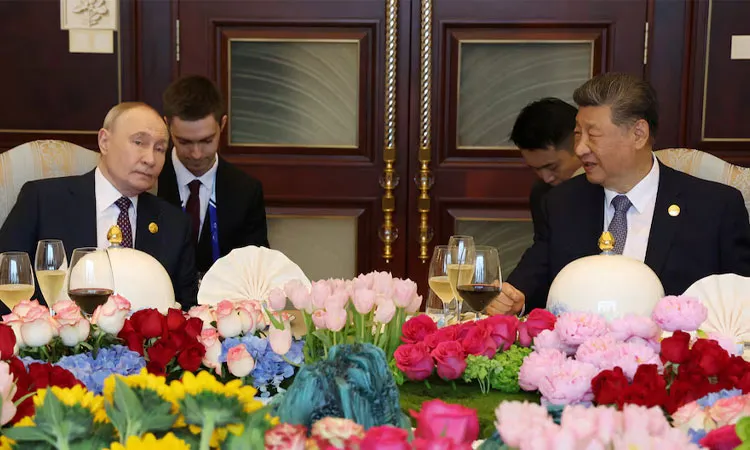
Chinese President Xi Jinping and Russian President Vladimir Putin strongly criticized Western trade barriers and economic sanctions on Wednesday also setting a tense backdrop hours before US President Donald Trump arrived in China for a high-stakes trilateral summit.
Speaking at the Asia-Pacific Economic Cooperation (APEC) summit in Shenzhen, Xi urged global business leaders to defend "free and open trade" and maintain stable supply chains. Positioning China as a reliable partner to the Global South, Xi pledged to lower tariffs and open Chinese markets while standing against "protectionism and unilateralism." His remarks directly targeted Washington which recently tightened export restrictions on advanced Nvidia AI chips to China, prompting Beijing to vow retaliation.
Following Xi on stage, Putin dismissed Western nations as "former hegemons" and claimed Europe is in a "humiliating decline." Referring to the sanctions imposed over Russia's four-year war in Ukraine, Putin argued that Western tariffs and export bans had failed to crush rival economies and instead strengthened Russia. During a later bilateral meeting, Xi and Putin praised their partnership and pledged to advance a "multipolar world."
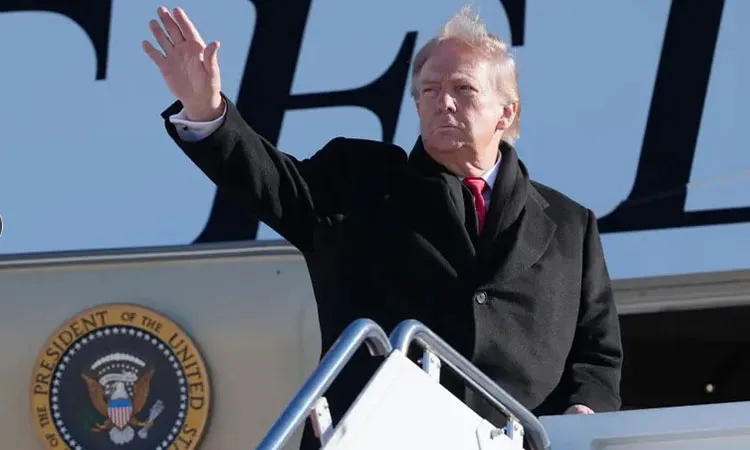
Trump landed in China after strengthening defense ties with the Philippines in Manila amid ongoing South China Sea tensions. On Thursday, Trump, Xi and Putin will hold rare trilateral talks on the summit sidelines. The leaders are expected to address major global flashpoints including the Ukraine war and the US conflict in Iran, trade disputes, artificial intelligence and nuclear weapons.
The meeting has drawn comparisons to the 1945 Yalta Conference, raising concerns among smaller European and Asian nations that the three superpowers might negotiate deals at their expense. While Moscow dismissed the Yalta comparisons, Putin expressed optimism that sitting at the negotiating table could yield significant global benefits and Beijing stated the talks would promote world peace.
Despite heightened friction including fresh US midterm election pressures on Trump and recent Russian aircraft incursions near Taiwan and Japan analysts expect Washington and Beijing to keep ties stable ahead of next month's G20 summit in Miami.