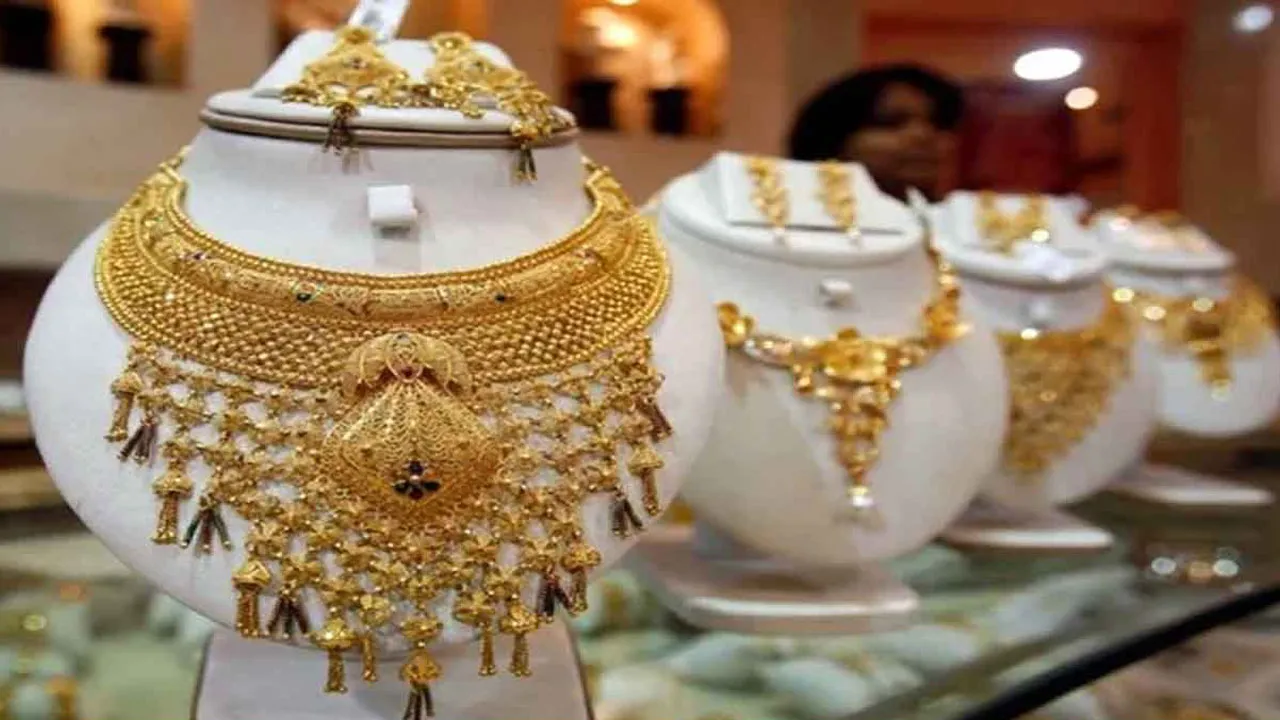
Gold prices in Bangladesh have resumed their upward trend, rising for the third time in three days and pushing the price of 22-carat gold above Tk 200,000 per bhori.
In the latest adjustment, the price of 22-carat gold increased by Tk 2,624 per bhori. This followed two consecutive hikes of Tk 1,050 each, bringing the total increase over the three adjustments to Tk 4,724 per bhori.
Under the latest rates announced by the Bangladesh Jewellers Association (BAJUS), a bhori of 22-carat gold jewellery is now selling for Tk 201,554, including value-added tax (VAT). The revised prices came into effect at 10am on Saturday, November 28.
According to the new price list, 21-carat gold is selling for Tk 192,514 per bhori, while 18-carat gold costs Tk 165,337. Gold under the traditional method is priced at Tk 134,778 per bhori.
In a statement, BAJUS said making charges for gold jewellery would depend on the design. Since VAT is already included in the selling price of jewellery, it cannot be collected separately from customers.
The association also said that, excluding making charges and the value of stones, a 9 per cent deduction would apply when exchanging jewellery, while a 15 per cent deduction would apply when selling old gold. However, VAT cannot be deducted separately in either exchange or purchase transactions.
Before the latest increase, BAJUS adjusted gold prices on November 27, raising the price of 22-carat gold by Tk 1,050 to Tk 198,930 per bhori. A day earlier, on November 26, the price of the same category had been set at Tk 197,880 per bhori.
Gold prices had fallen by Tk 2,858 per bhori on November 25. Before that, prices increased by Tk 1,575 on November 24 and Tk 3,149 on November 23. The increases followed nine consecutive rounds of reductions, during which gold prices fell by as much as Tk 34,700 per bhori.
So far in 2026, gold prices in Bangladesh have been adjusted 148 times. Prices were raised in 70 adjustments and reduced in 77, while one adjustment involved VAT. In comparison, gold prices were revised 93 times in 2025, with 64 increases and 29 reductions.