A leftover piece of a SpaceX rocket crashed into the moon early Wednesday to becoming the newest addition to decades of space debris that has struck the lunar surface.
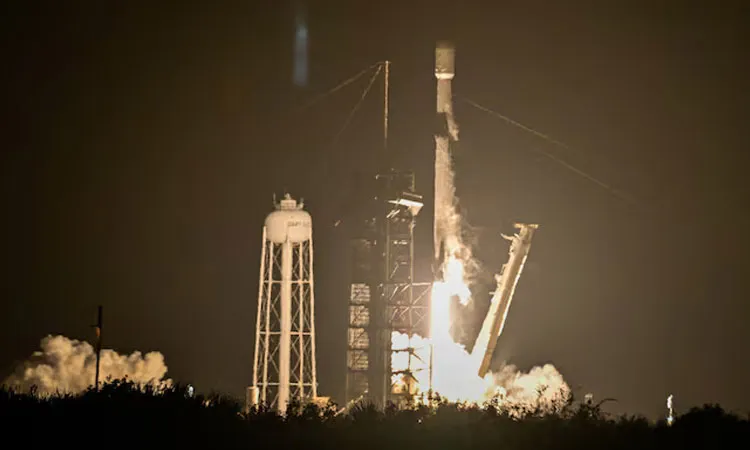
The object was the second stage of a Falcon 9 rocket that launched a Firefly Aerospace lunar lander in January 2025. Weighing four metric tons and it hit the moon at about 5,400 miles per hour near the Einstein Crater on the moon's far side. No spacecraft were positioned to capture close-up images but Chile's Very Large Telescope detected sodium and lithium gas in the impact plum also lasting several minutes.

Astronomer Carl Schmidt said the sodium likely came from lunar soil while the lithium may have originated from the rocket itself, though he cautioned the analysis was preliminary.
SpaceX confirmed the impact was unintentional. Unlike most rocket stages that burn up in Earth's atmosphere of this one lacked fuel to return and drifted in space before gravity and solar activity pulled it toward the moon. Astronomers, including software developer Bill Gray had predicted the collision months in advance.
Experts say such impacts pose no danger but highlight poor disposal practices for space hardware. Previous lunar crashes include a Chinese rocket stage in 2022 and failed landers from Russia, India and Israel.
NASA is now working with SpaceX to prevent future accidental impacts as the agency prepares to build a permanent lunar base and send astronauts under its Artemis program later this decade.