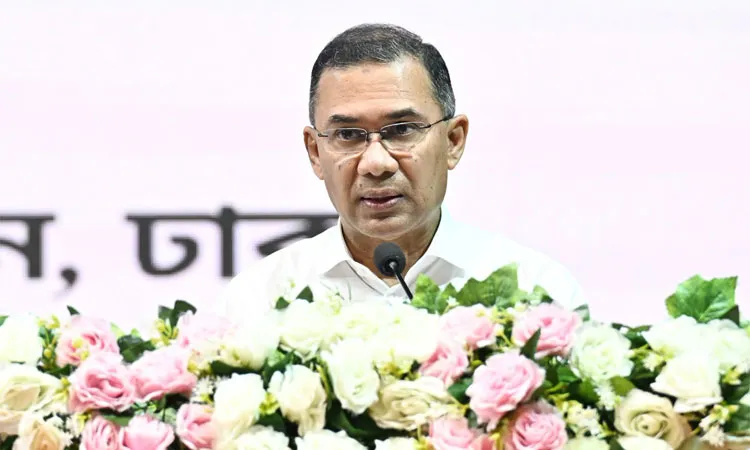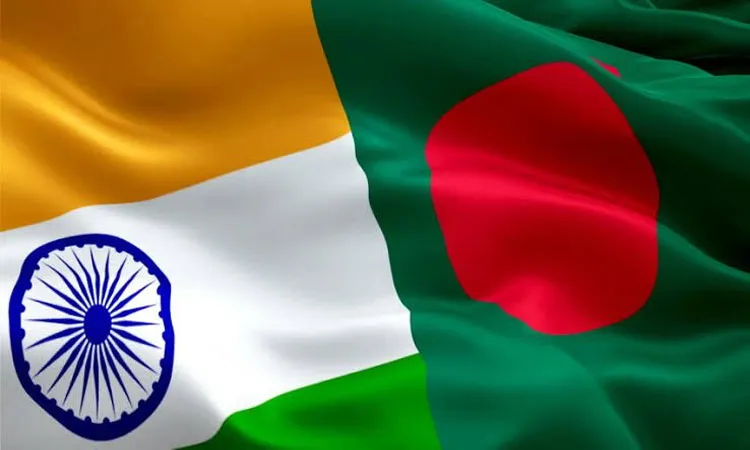
Prime Minister Tarique Rahman is navigating a complex diplomatic tightrope as escalating tensions over former Premier Sheikh Hasina’s extradition cast uncertainty over his anticipated visit to New Delhi.
According to Indian news outlet ThePrint, Hasina who fled to India in August 2024 following the July Uprising, was sentenced to death in absentia late last year for her role in the deadly crackdown on the student-led mass movement. Her continued sanctuary in India remains the central point of friction between the two neighboring nations.

The diplomatic strain intensified after Hasina held a public press conference in New Delhi on August 5. Dhaka had previously urged New Delhi to restrict her political activities. While the Indian government distanced itself by calling the briefing a "private event," the explanation failed to satisfy Bangladesh. In response Dhaka has reiterated demands for her expedited extradition to create a "conducive environment" for PM Tarique’s visit.
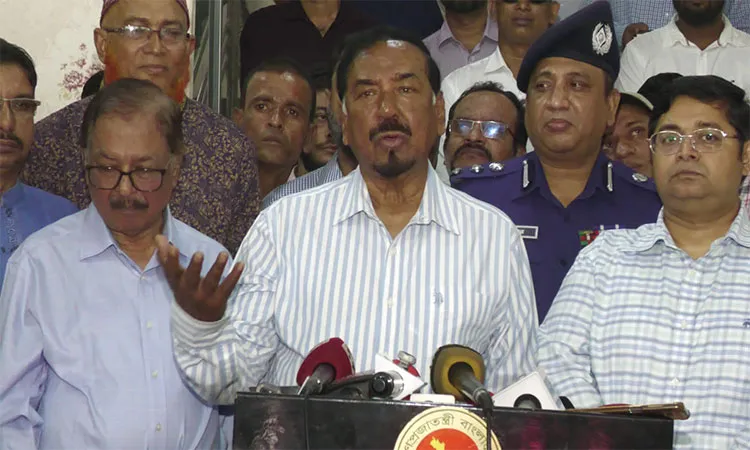
Domestically, Prime Minister Tarique faces mounting pressure to maintain a hardline approach. Political figures, including NCP leader Nahid Islam have openly opposed normalizing diplomatic ties until the extradition issue is resolved. This domestic sentiment heavily complicates the Prime Minister's efforts to balance public demands with the necessity of a working relationship with India.
Despite the political impasse, diplomatic engagement remains critically necessary. Key bilateral issues urgently require high-level cooperation, most notably the Ganges Water Treaty which is set to expire this December. While Foreign Affairs Advisor Humaiun Kobir has taken a firm public stance on extradition, Foreign Minister Khalilur Rahman has actively maintained contact with Indian officials, including National Security Adviser Ajit Doval, to keep communication channels open.
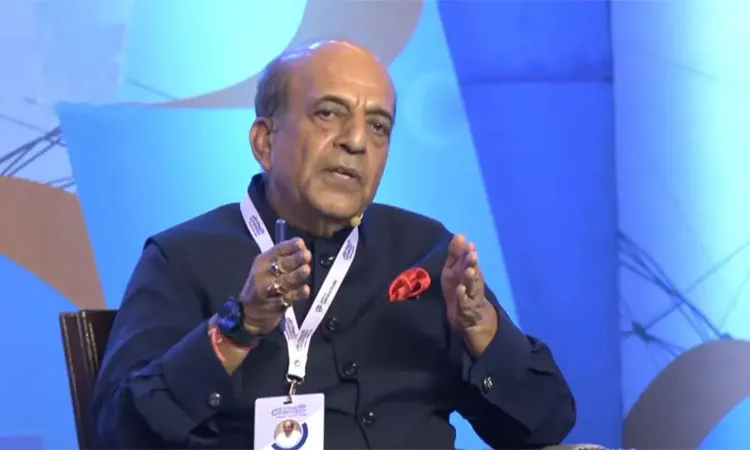
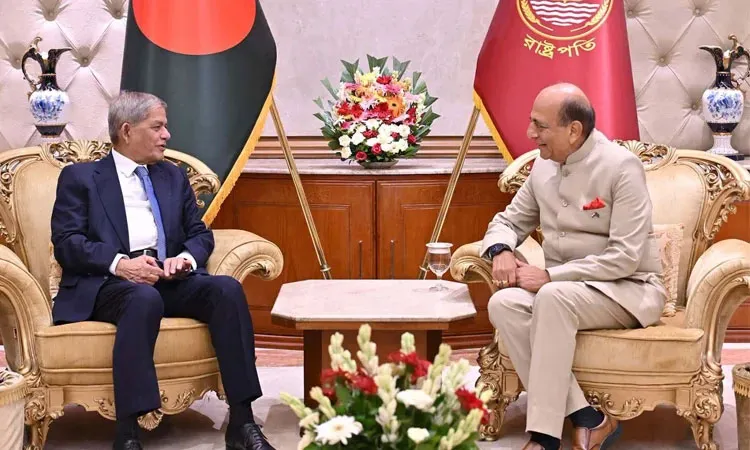
Meanwhile, New Delhi is reportedly shifting its diplomatic tone toward "reciprocity" indicating that the next move lies with Dhaka. To help break the deadlock, Indian High Commissioner Dinesh Trivedi recently met with PM Tarique before traveling to brief Indian Prime Minister Narendra Modi. Additionally India has officially invited PM Tarique to attend the BRICS outreach session in New Delhi on September 12–13.
However, the delay in accepting the invitation has drawn sharp criticism from segments of the Indian media, which accuse Dhaka of leveraging anti-India sentiment to distract from domestic economic challenges.
Speaking on the situation, Bangladeshi political analyst Mubashar Hasan noted that while taking a tough stance against India strengthens PM Tarique's domestic popularity, it remains a reactive strategy. "The control of this policy is not at Dhaka’s end it is mostly in the hands of India. If such a relationship goes on for long, it may become costly" Hasan warned.
As the Ganges Water Treaty expiration date looms, both nations are under immense pressure to find a diplomatic breakthrough before the ongoing stalemate inflicts long-term economic and geopolitical damage.