Major global fashion retailers like Zara, H&M, Marks & Spencer and Celio—diverted nearly 10 percent of their monthly apparel orders away from Bangladesh in the first half of November due to persistent labour unrest and rising production costs, according to local factory owners.
Between November 1 and 18, brands shifted approximately $254 million worth of orders to rival Asian hubs with neighbouring India emerging as the primary beneficiary alongside Vietnam, Cambodia and Indonesia.
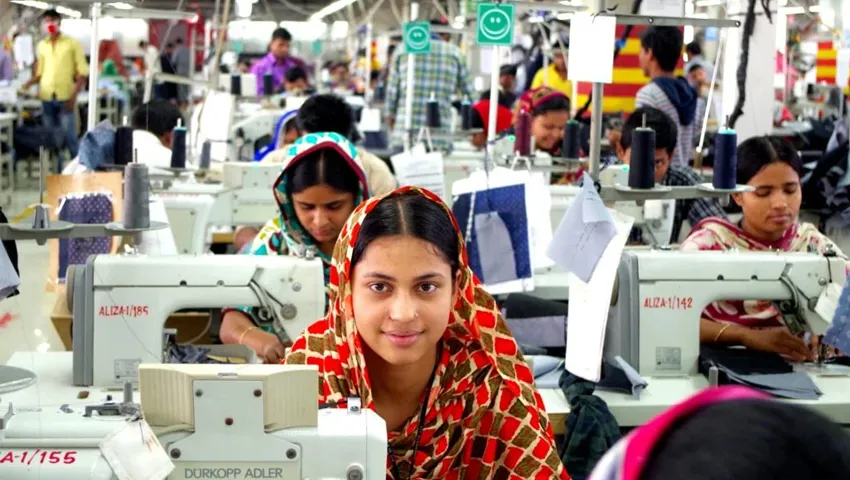
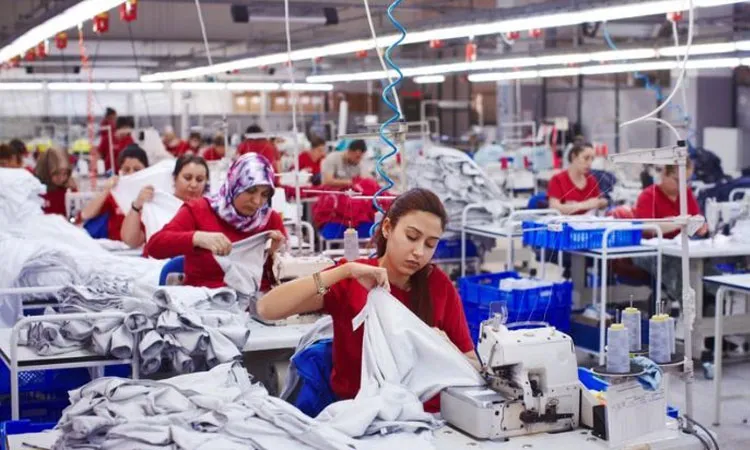
The ongoing protests have already inflicted over $400 million in production losses, according to the Bangladesh Garment Manufacturers and Exporters Association (BGMEA). The ready-made garment (RMG) sector is the backbone of Bangladesh’s economy, generating over 80 percent of national export earnings and employing nearly 40 percent of its industrial workforce.
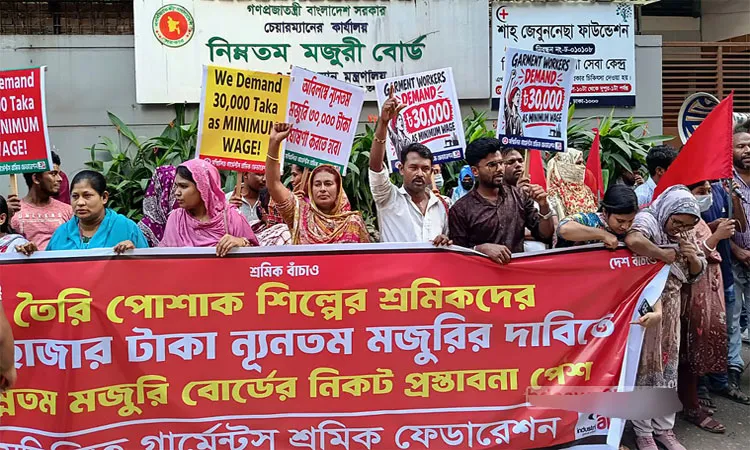
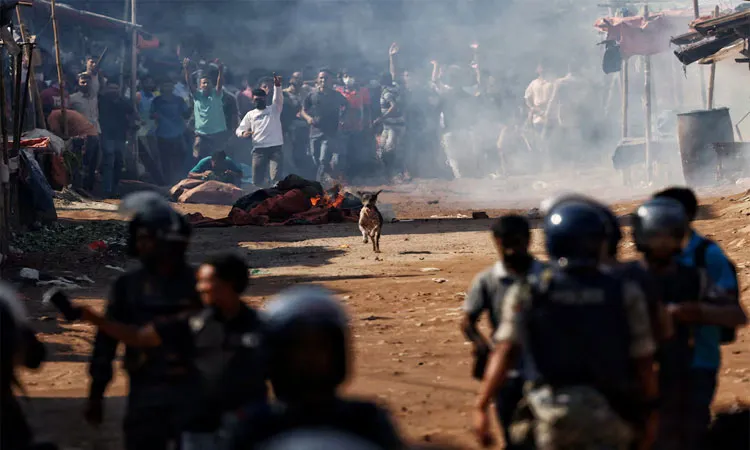
Tensions escalated on Wednesday after authorities approved a 36 percent minimum wage hike the smallest increase in four decades. Falling short of worker demands to more than double wages, the announcement sparked fresh clashes with police, even as Labour Secretary Abdur Rahman Tarafder termed the raise "satisfactory" and urged workers to return on Saturday.
Factory owners warn that the wage hike, combined with chronic energy shortages and political uncertainty is eroding Bangladesh’s traditional low-cost edge. Following reports of the order shifts, shares of major Indian textile firms like Gokaldas Exports and Trident rallied sharply.
BGMEA Director M. Mohiuddin Chowdhury noted that international buyers are increasingly prioritizing faster lead times over low prices. While Bangladesh typically requires around 120 days for production and delivery, rivals like India, Vietnam and Cambodia can complete orders within 60 to 90 days.
With factories around Dhaka losing up to 25 production days, manufacturers face severe backlogs and the prospect of costly air freight to meet deadlines.
"Since November 1, most of my buyers have stopped placing orders" said Khan Monirul Alam the managing director of Alps Apparels Group.
Industry leaders warn that unless stability is quickly restored, temporary order diversions could turn into permanent sourcing shifts also costing Bangladesh vital long-term business.
News Source: Reuters