After a few days of normalized gas supply, Chittagong is once again facing a severe gas shortage. Household cooking has been disrupted across various areas of the city due to a sudden drop in supply starting Tuesday (August 11) night.
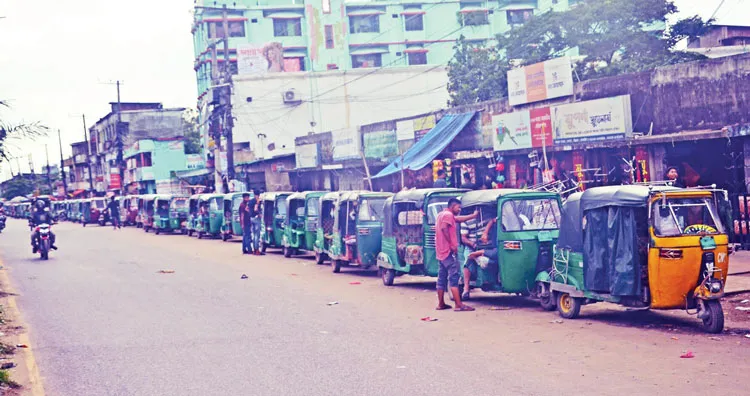
At the same time, falling gas pressure has triggered long queues of vehicles at CNG filling stations, with drivers complaining of waiting for hours without receiving fuel.
On Wednesday (August 12), Jasmin Akhter, a resident of the city's Hamjarbagh area, spent the entire day waiting for gas at her stove. Unable to cook due to the lack of gas since 8:00 AM, she shared, "There has been no gas since morning. It came back briefly for a bit, but then vanished again."
Similar scenes were reported across multiple neighborhoods in the city. Beyond households, the shortage has hit the transport sector hard, with long lines of CNG-run auto-rickshaws, private cars, and other vehicles seen outside various filling stations.
Siraj Uddin, an auto-rickshaw driver waiting at the Kadamtali Four Star CNG Station since 7:00 AM, had still not received gas by Wednesday afternoon. "Gas pressure at the station is extremely low, making it take much longer than usual to fill a single vehicle. As a result, the queue keeps growing longer," he said.
According to sources at Karnaphuli Gas Distribution Company Limited (KGDCL), Chittagong requires approximately 350 million cubic feet of gas daily. However, maximum supply for Wednesday was expected to be around 180 to 190 million cubic feet, leaving the city with nearly a 50 percent deficit.
KGDCL officials clarified that technical glitches at the Maheshkhali floating LNG terminal are not the main reason for the current shortage. Rather, adverse weather conditions prevented a new LNG carrier from berthing at the terminal, causing the supply drop.
Petrobangla Director (Operations) Md. Shoaib explained, "There is a specific wind speed limit required to berth an LNG carrier safely, which should be within 20 knots. Currently, the wind speed is around 38 knots, making it unsafe to dock the vessel at the terminal."
He added that slightly over 400 million cubic feet of gas is currently being supplied to the national grid from two terminals in Maheshkhali. Once the LNG carrier docks successfully, the supply could rise to nearly 750 million cubic feet.
Earlier on July 21, a boiler failure at one of Maheshkhali's floating terminals led to a major disruption in gas supply, dropping Chittagong's daily supply to 180–190 million cubic feet. Although the situation partially improved after repairing one boiler, the relief proved short-lived as supply dropped again from Tuesday night.
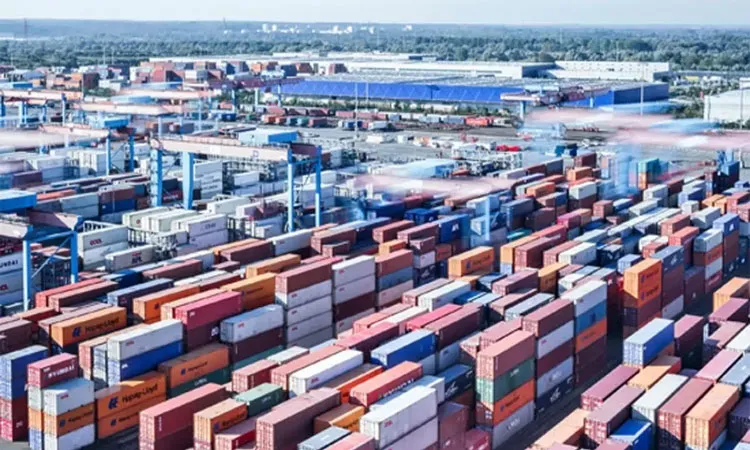
Currently, Chittagong relies on two floating LNG terminals in Maheshkhali to convert imported LNG and feed it into the national grid, which normally supply 1,000 to 1,050 million cubic feet daily.
KGDCL officials noted that how quickly the crisis resolves depends largely on weather conditions in Maheshkhali. Supply can only be restored once wind speeds drop enough for the LNG carrier to dock safely. Until then, Chittagong will have to manage with nearly half its required gas supply.